
Location

94 Nanmen Road, Canglang District, Suzhou, China
Reasons to visit
The most famous place for silk producing
Opening Hours
- All day
Suzhou has been synonymous with silk for millennia, and the Suzhou No.1 Silk Factory (苏州第一丝厂) is a tangible link between ancient sericulture techniques and modern industrial production. Founded during the early 20th century and evolving through Japanese ownership, state-run operation, decline, and eventual transformation into an industrial tourism site, the factory today functions both as a working production facility and a cultural landmark. Visiting the site offers a layered experience: architectural relics of Republican-era workshops, hands-on reeling demonstrations, curated displays of silk products, and themed events that showcase how the industry adapted through decades of social and economic change. 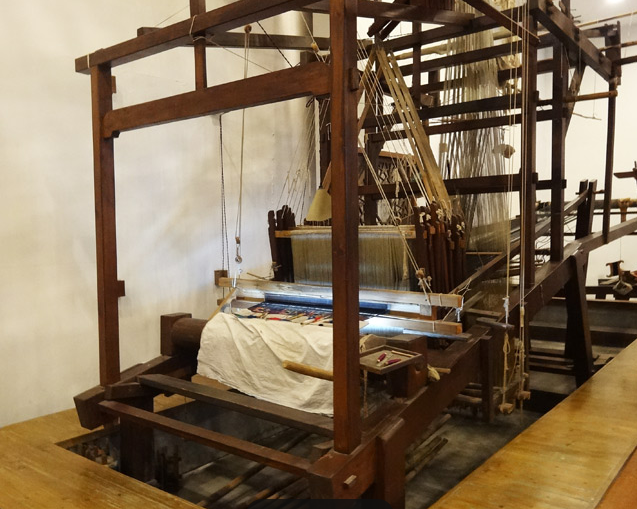
Getting There & Practical Info
Address & Transport: 94 Nanmen Road, Canglang District. The factory is conveniently accessible by Suzhou Metro Line 4 — get off at Renminqiao South Station (人民桥南站) and walk about five minutes from Exit B2. Multiple city bus lines stop at Nanmen Road Station (南门路站), which is another convenient option for travelers without metro access.
Opening Hours & Tickets: While many sources list the site as open daily, typical visiting hours are 9:00–17:00; special events or exhibitions may have separate schedules or fees. General admission to the factory area is usually free, though interactive workshops, special exhibitions, or guided educational programs may require advance booking and a separate fee. Because the site functions partly as a production facility, checking the official website or contacting the visitor center before a planned visit is recommended—especially for group visits or school programs.
What to See: Architecture, Workshops, and Displays
Historic Buildings: The factory compound preserves several red-brick workshops and a notable 1926 red-brick mansion that once served as the Japanese consulate or administrative building during the plant’s early Japanese investment era. These buildings exemplify early 20th-century industrial architecture in Suzhou: long clerestory windows for natural lighting, triangular roof trusses for open-span production halls, exposed brick façades, and granite bases. The combination of functional industrial forms with decorative details—arched windows, tiled eaves, and masonry ornament—creates highly photogenic scenes and provides architectural context for the industrial processes housed within.
Silkworm & Mulberry Displays: One of the most educational sections is the silkworm cultivation area. Here visitors can follow the entire lifecycle: mulberry cultivation, hatching of silkworm larvae, feeding stages, spinning of cocoons, and the process of sorting and selecting cocoons for reeling. Informational panels and staff explain sericulture biology—why mulberry leaf quality matters, how temperature and humidity influence larval development, and how modern farms balance traditional methods with biosecurity needs.
Reeling & Weaving Workshops: The reeling room demonstrates how individual filaments are extracted from boiled cocoons and combined into threads. Live demonstrations show both mechanized reeling—industrial machines producing consistent spools—and traditional hand-reeling techniques in which operators manage filament tension and twist. The weaving area and loom displays illustrate how threads are dyed, prepared, and woven into different fabric types: raw silk, satin, damask, and brocade. Visitors can observe differences in thread count, weave density, and finishing treatments that affect sheen, drape, and tactile quality.
Product Exhibition: The museum-like displays present a wide array of silk products: bolts of raw silk, finished silk fabric for apparel, silk bedding such as quilts and pillowcases, and smaller handicrafts like embroidered scarves. Clear labels explain the grade and intended uses of each silk type, allowing visitors to learn how price and quality are determined—factors such as filament length, twist, and the number of combined filaments per yarn all influence the final product.
Cultural Programs & Interactive Experiences
The factory provides a range of educational and experiential programs that go beyond passive observation. Family-friendly workshops teach simple skills like reeling a short strand, tying traditional silk knots, or making small silk souvenirs. School and research groups can join structured “industrial study” sessions that include lectures on industrialization, labor history, and technological evolution from hand-reeling to mechanized processes. The renovated areas—marketed as a “Trendshub” or creative cluster—host rotating fashion shows, art exhibitions, and cultural lectures, creating opportunities to see contemporary designers reinterpret silk in modern contexts. For visitors interested in technology, the site’s planned integration of AR/VR exhibitions offers immersive reconstructions of historical production scenes and step-by-step virtual reeling/ weaving demonstrations.
Historical Development: From Japanese Investment to State Enterprise and Reinvention
The factory’s history is a condensed narrative of 20th-century Chinese industrial change. In 1925 the site began as a Japanese-capital silk mill producing the celebrated “Sakura” brand; it introduced advanced reeling machinery to Suzhou and established mass production standards. After World War II, local entrepreneur Fei Dasheng modernized operations, and by the early People’s Republic era the plant was nationalized as Suzhou No.1 Silk Factory—at its height producing hundreds of tons of raw silk annually and employing large workforces. The 1980s onward brought market pressures from decentralised township reeling operations and later global textile competition, leading to production decline. Starting in the 2000s the site began repositioning itself as an industrial tourism destination—preserving core workshops while introducing exhibition spaces and visitor services.
Recent Revitalization & Future Vision
A major redevelopment initiative launched in 2025 (investment reported) aims to convert the site into a fully integrated cultural industry park. Plans emphasize preservation first—retaining five main historical buildings and reusing old bricks and stone for reconstruction—while layering new functions: creative studios, boutique retail, dining, digital art spaces, and light manufacturing for haute-couture or wearable-tech prototypes. The proposed “Silk Culture New Media Hall” will use AR/VR to reconstruct historical production sequences and allow visitors to interact with virtual looms and reeling frames. The long-term strategy is to create an economic ecosystem that links creative R&D, small-batch manufacturing, exhibition, and retail—transforming the site into a living campus where heritage supports innovation.
Dining, Accommodation & Nearby Attractions
Onsite Amenities: The factory area has small cafés and fast-food outlets for visitors; however, prices on-site may be higher than the local average. It’s wise to bring light snacks for longer visits, especially when participating in workshops.
Accommodation: There is no hotel inside the factory grounds, but the surrounding Canglang and Pingjiang districts offer guesthouses and boutique hotels. Staying nearby is convenient if you plan to take part in longer educational programs or evening events.
Nearby Sites: The Suzhou Silk Museum (about 1 km away) complements the factory visit with broader historical context and more extensive collections of ancient and modern silk artifacts. The nearby Pingjiang Road and classical gardens are excellent options for combining cultural sightseeing with the industrial tour.
Visiting Tips
Allow 2–3 hours for a standard visit; half a day if attending workshops or exhibitions.
Best photo spots: red-brick facades, reeling workshop, and the old consulate building.
Bring proof of identity if you plan to join official educational tours or book group sessions.
Check schedules for special events or fashion shows—these are periodically announced and may require advance booking.
Wear comfortable shoes if you plan to explore the whole compound; some heritage floors and courtyards are uneven.