Xinjiang Travel Tips
Xinjiang is an important destination in Silk Road. While enjoying your Silk Road Tour, here are some important travel tips for you including travel safety in Xinjiang.
Respect the Folk Custom in Xinjiang
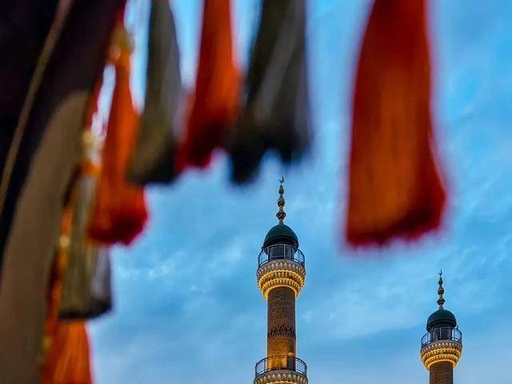
Pay more attention to national minority folk custom in Xinjiang, especially some Mohammedan taboos. Xinjiang is a multi-ethnic area with strong religious faith. The nationalities who believe Mohammedanism do not eat pork, drink wine, etc… These are their big taboos in life, absolutely not to be offended. Therefore, tourists should pay attention to the follows: do not carry eating pork food or talk about the topic of pork overly in Muslim restaurants, so as to avoid unnecessary misunderstanding.
In addition, ethnic people are more traditional and conservative. They always dress well when going out, so try not to wear clothes that are too revealing when you travel in Xinjiang.
Have Enough Rest During The Xinjiang Tour
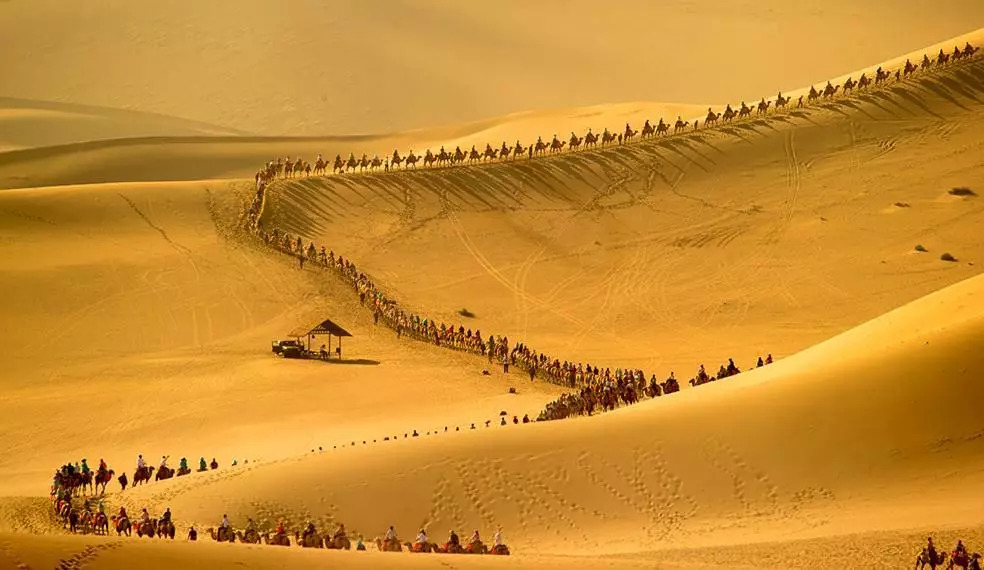
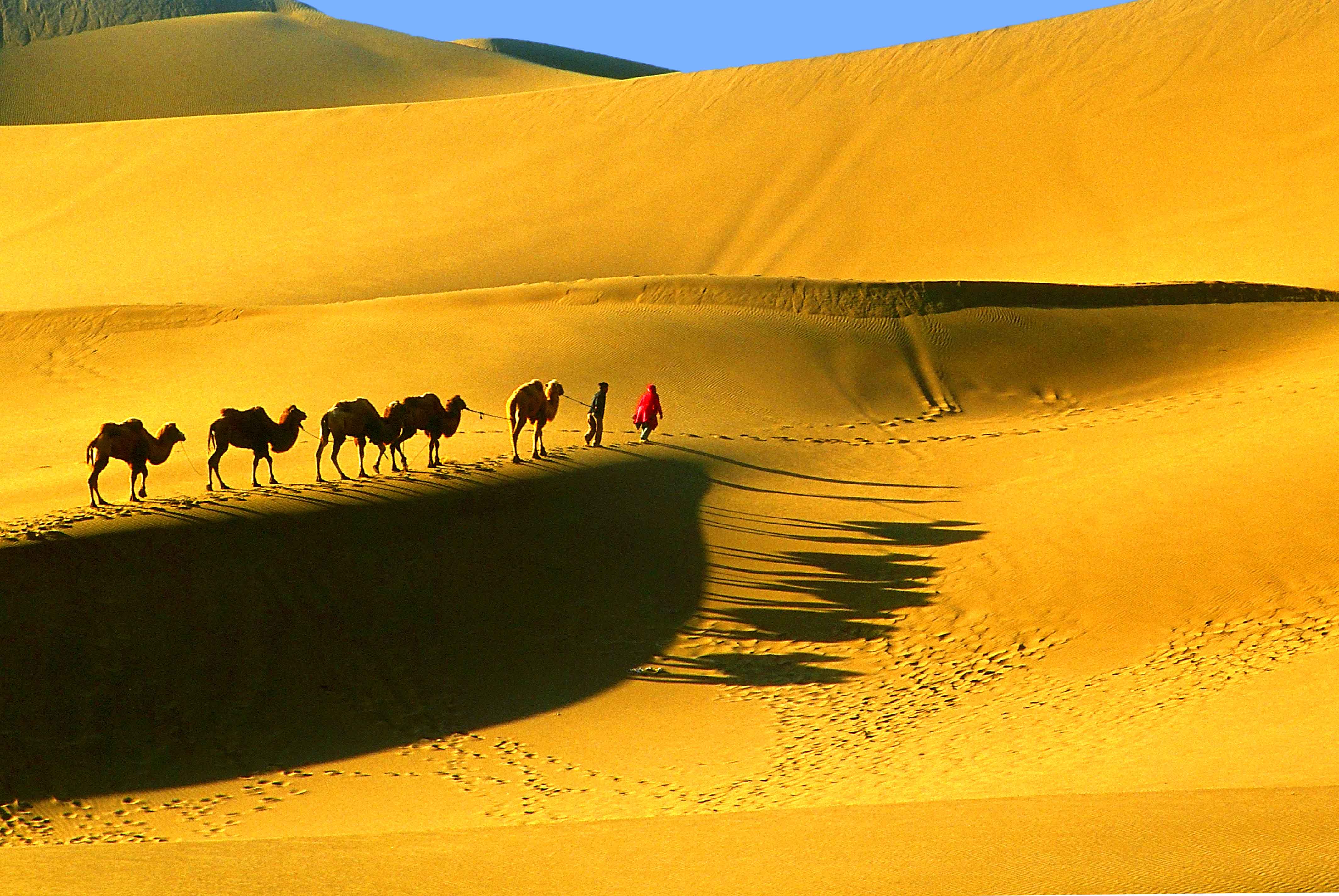
The region of Xinjiang is too vast and its attractions are dispersed, tourists need to ride for a long time so more rest during the journey is essential. Many scenic spots in Xinjiang require tourists to get off to walk or experience the fun of riding camels and horses, so a pair of proper shoes is particularly important. You are suggested to take a pair of comfortable, fit, easy-to-walk flat bottom shoes before leaving for your Xinjiang Tour. If you want to take pictures with ethnic minorities, be sure to get their consent before doing this.
Pay Attention to the Sunburn Days
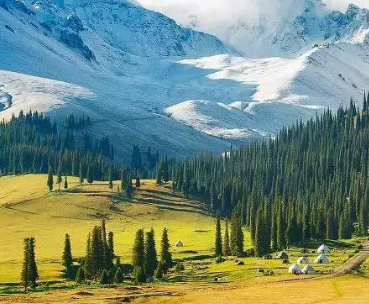
Many areas in Xinjiang are at high altitude, so there is strong ultraviolet ray. Visitors should be ready for enough and effective sun block, also be equipped with clearing heat, thirst, moist drugs or granule like Mulberry & Chrysanthemum Granule, in order to avoid a body trouble caused by dry and hot climate.
Xinjiang Travel Safety
Knife, a national art and craft in Xinjiang, is prohibited to check in by civil aviation and railway departments, tourists should pay attention to this.
It is better to avoid disputes with the local people. If you have any questions or puzzles, it is better to consult with your tour guide so that you can keep some potential dangers away from you.
Try not to go to some particularly remote areas alone. In some sensitive areas of Southern Xinjiang, such as Shache, Hetian, desert highway and so on, it's better to be prudent to take an ethnic private car.
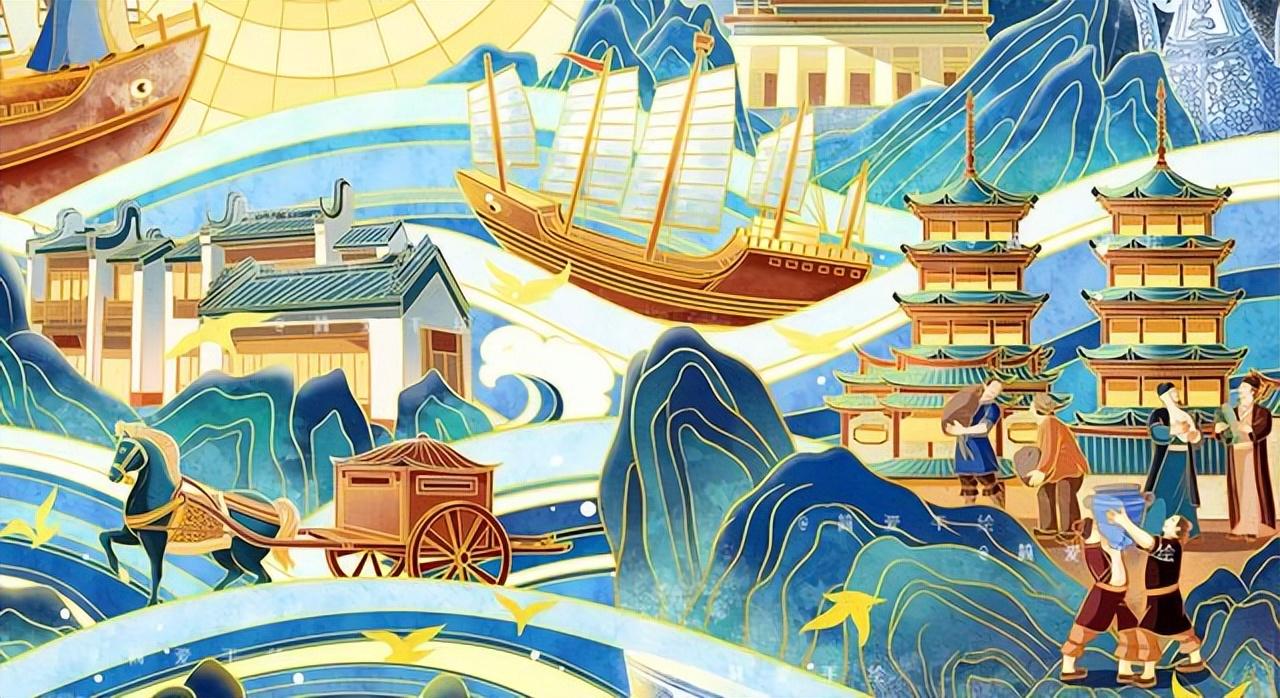
Started from the ancient China capital city Changan (Xian at present), the Silk Route stretches more than 7000 kilometres reaching the Mediterranean bank. The route was first created by an envoy called Zhangqian assigned by the Emperor of the Han Dynasty to deliver gifts which were mainly silk to those local regimes in the past West China, to hold their loyalty and to be allies of the Han Dynasty. Since the Chinese highly qualified silk had made its fame to the western countries, the merchants sought the opportunity of trading Chinese silk along this route and gained a great fortune. Few people would really finish the whole silk route journey rather they just mainly traded in a certain period of certain local crafts such as silk, blanket and carpet etc to other merchants of other periods. Each time everybody marked the price up along the way. In the end, silk, perfume, jade and sliver from China, cotton from India, ivory from Saudi Arabic, spicy from Iran and olive oil and wine from Mediterranean bank were all traded along the Silk Road. Thousands and thousands people have taken part and numerous goods traded in this great international trade at that time. The main cities along the Silk Road had grown larger and more important in helping the trade and merchant and caravans. Cities like Changan, Dunhuang, Kashgar, Istanbul and Rome had gained great benefits along the trading process.
Today, Chinese president Xi Jinping has announced to invest 14 billion dollars to boost the new Silk Road program which has a rather poetic name called One Belt One Road. It is more like a modern version of the ancient Silk Road, call it the “Silk Road Plus” if you are an Apple fan. The “One Belt One Road” is aiming to help those connected regions in culture and economy exchange with a more advance road net work consisted by airplanes, railways, high ways and even container ships.
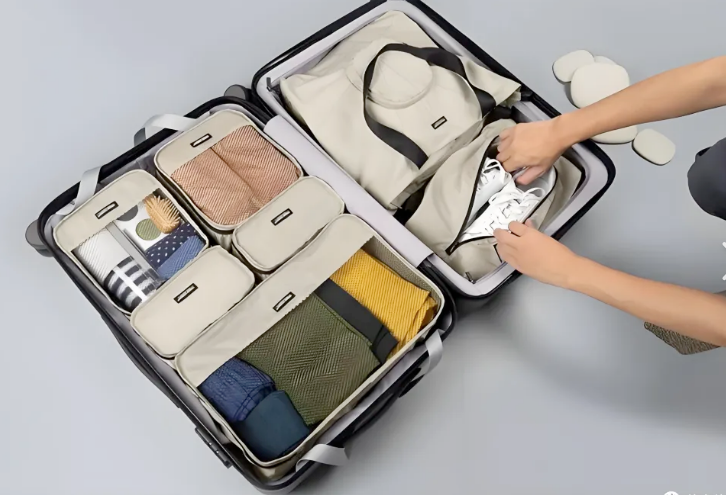
While the ancient Silk Road today is rather a historical travel route on which you can experience interesting history and enjoy exotic culture. The Chinese section Silk Road stretches more than 4,000km on the gigantic regions of northwester China, an almost dizzying agglomeration of desert, grassland, raging river and colossal mountains. The best highlights are a series of historical towns, ruins and cultural sites linked as a chain of pearls which are Terracotta Warriors in Xi’an, the Mogao Grottoes in Dunhuang, the Qinghai Lake in Xining, the Heaven Lake in Urumqi, the Gaochang Ancient City in Turpan, etc. There are also several ethnic groups regions along the silk route such as Mongolians, Huis, Uygurs and Hazaks who have maintained their unique traditions, cultures, living habits and religious beliefs embodying the culture exchange soul spirits of the Silk Road. All these magnificent ancient towns fulfilled with exotic cultures and mysterious history is waiting to present you a splendid Silk Road journey! Pack your baggage! Join us to trace the footprints of ancient travelers and create a unique Silk Road journey of your own!! Following are our detailed introduction, most read travel tips and best collection of Silk Road Tour Packages which are highly valuable, enjoyable and customizable!