Chinese and Western Culture
By Admin
Jun 15, 2026
Chinese and Western Culture
China boasts a splendid civilization with a history of more than 5,000 years. Its traditional culture has formed unique systems, values and customs that differ greatly from Western cultures. In recent decades, as China develops rapidly, Chinese culture has drawn growing attention across Western countries. Every nation nurtures distinctive cultural traits, and learning about these differences helps travelers avoid misunderstandings, respect local traditions and gain a deeper insight into people’s lifestyles during the journey.
This guide makes a comprehensive comparison between Chinese and Western cultures. We will elaborate on ways of thinking, family values, education concepts, eating habits, drinking culture, consumption behaviors, major festivals, and daily living habits such as attitudes toward hot and cold water. Below is the full introduction to each category.
Major Differences between Chinese and Western Culture
The core divergence between Chinese and Western cultures originates from different historical backgrounds, philosophical origins and social structures. Traditional Chinese culture is deeply influenced by Confucianism, Taoism and Buddhism, highlighting collectivism, harmony, etiquette and inheritance of traditions. Western cultures are rooted in ancient Greek and Roman civilizations, emphasizing individualism, freedom, rational thinking and the spirit of exploration. These core distinctions run through all aspects of social life and shape people’s daily behaviors, communication styles and life attitudes.
Chinese and Western Thinking
Chinese Way of Thinking
Chinese people tend to adopt holistic, circular and indirect thinking. We view the world as an interconnected whole and focus on overall harmony rather than isolated individuals or things. When dealing with issues, people prefer to consider the big picture, interpersonal relationships and long-term impacts instead of reaching a direct conclusion. In communication, expressions are implicit and tactful. People often use hints, gestures and context to convey meanings, and attaching great importance to "face" is a typical feature. Silence is regarded as a sign of prudence and reflection.
Western Way of Thinking
Westerners are used to linear, logical and direct thinking. They split complex matters into independent parts for analysis and attach importance to logic, evidence and rules. In daily communication and debate, they express opinions frankly and openly. Direct discussions and even debates are considered normal and sincere. They pursue clear expression and explicit responses, and prolonged silence is often seen as awkward or impolite.
Differences between Chinese and Western Family Values
Chinese Family Values
The family is the most important social unit in Chinese culture, and extended families and collectivism are mainstream features. Influenced by the traditional virtue of filial piety, multiple generations often maintain close bonds. Adult children take the responsibility of supporting and accompanying elderly parents, and families prefer to live nearby or even together. Major life decisions including career choices, marriage and relocation usually take family opinions into full consideration. Family harmony and group interests come before personal preferences. Family gatherings on festivals are indispensable traditions that strengthen kinship.
Western Family Values
Western societies are dominated by nuclear families, consisting of only parents and minor children. Individual independence and personal privacy are highly respected. Once children grow up and reach adulthood, they will move out to live independently and build their own lives. Parents respect their children’s personal choices and rarely interfere with their careers, marriage and daily life. The elderly also tend to live alone instead of relying on their children. Family members keep intimate emotional connections while maintaining independent living spaces. Social welfare systems also share part of the elderly care work.
The Difference between Chinese and Western Education
Chinese Education
Chinese education focuses on solid basic knowledge, collective consciousness and discipline. Classroom teaching emphasizes teachers’ guidance and unified progress. Students are required to follow rules, cooperate with the group and strive for collective honor. It lays stress on knowledge accumulation, diligence and perseverance. Traditional education advocates respecting teachers and valuing education. Students are encouraged to absorb classic knowledge and inherit traditional virtues. Group activities and uniform assessment standards are widely adopted in schools.
Western Education
Western education prioritizes individual development, creativity and practical abilities. Teachers act as guides and encourage students to put forward unique ideas, ask questions bravely and express personal views freely. Courses pay more attention to hands-on practice, exploratory learning and personality cultivation. There are fewer rigid rules in class, and diversified evaluation standards are used to assess students’ comprehensive abilities rather than merely academic scores. It advocates the all-round development of each individual’s strengths and potential.
9 Main Differences between Chinese and Western Eating
- Dining System: China adopts the communal dining system. Dishes are placed on the table for all diners to share, reflecting the concept of sharing and harmony. Western countries use separate servings; everyone has their own independent plates and food.
- Tableware: Chinese people mainly use chopsticks and spoons. Westerners are accustomed to a complete set of knives, forks and plates with detailed classifications.
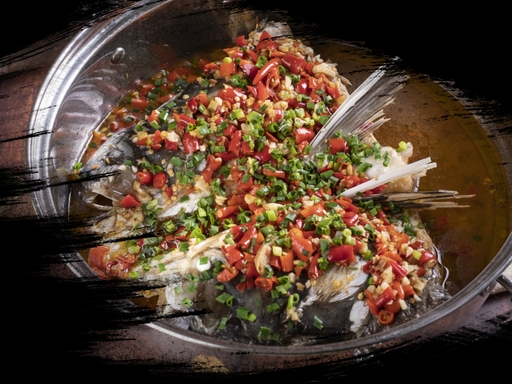
- Cooking Styles: Chinese cuisine has over 30 cooking methods such as stir-frying, stewing, steaming and braising, focusing on rich flavors and diversified tastes. Western cooking is relatively simple, emphasizing nutrition collocation and standardized production.
- Serving Order: Chinese banquets start with cold dishes, followed by hot dishes, staple food, soup and fruits at last. Western dinners begin with appetizers, then soup, main courses, desserts and drinks.
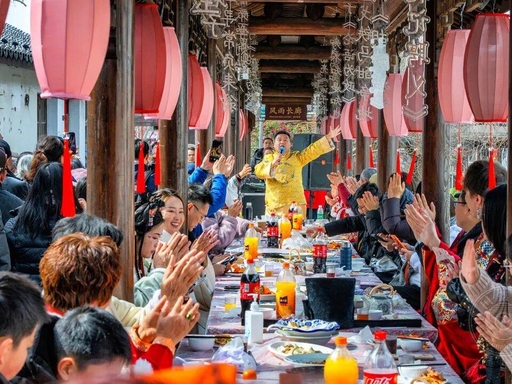
- Dining Atmosphere: Chinese dining is lively and noisy. Chatting and laughing during meals are common, which represents a warm atmosphere. Western dining stresses quietness, elegance and table manners.
- Seating Arrangement: Chinese seating follows strict hierarchy to show respect for elders and distinguished guests. Western seating is more casual and equal.
- Food Culture Connotation: Chinese dining is closely combined with social interaction, etiquette and festival customs. Western eating pays more attention to personal taste and nutritional health.
- Ingredient Selection: Chinese cuisine uses a wide range of ingredients and focuses on seasonal fresh food. Western diets have relatively fixed ingredient ranges.
- Post-meal Habits: Chinese people usually stay at the table to chat after meals. Westerners tend to leave the dining area after finishing food.
Major Differences between Chinese and Western Drinking Culture
Chinese Drinking Culture
Alcohol drinking is an important part of socializing, banquets and festivals in China. Toasting etiquette is complete and rigorous. People toast elders, guests and peers to express respect, welcome and friendship. When clinking glasses, juniors or guests will hold their cups lower to show politeness. The phrase Ganbei (bottoms up) is widely used to express sincerity. Drinking focuses on the atmosphere and interpersonal communication. If you cannot drink alcohol, replacing wine with tea or beverages is a widely accepted choice.
Western Drinking Culture
Western drinking is more about personal taste and leisure. Wine, beer and cocktails are common drinks. People drink freely according to their own preferences without mandatory toasting rules. Wine culture emphasizes wine tasting, brewing knowledge and drinking etiquette. It is more popular in parties, dinners and daily leisure time. There is no custom of persuading others to drink, and personal will is fully respected.
Differences between Chinese and Western Consumer Behavior
Chinese Consumption
Chinese consumers pay great attention to cost performance, brand reputation and public praise. Influenced by group psychology, people tend to refer to others’ choices and popular trends. Shopping is not only for personal use, but also for gift-giving, face and social needs. Festive consumption and group shopping are very common. People are willing to save money for high-quality goods and pay attention to durability and practicality. Traditional concepts of thrifty are also reflected in daily consumption.
Western Consumption
Western consumers focus more on personal preferences, practicality and rights. They make decisions based on their own needs and tastes, and are less influenced by public trends. Consumption emphasizes enjoyment and experience. The concept of ahead-of-time consumption is popular. When shopping, they attach importance to product quality, after-sales service and personal privacy. Gift-giving consumption is simple, focusing on sincerity rather than luxurious packaging.
Chinese New Year and Christmas
As the most important festivals in China and Western countries respectively, Chinese New Year (Spring Festival) and Christmas carry different cultural connotations and celebration ways.
Chinese New Year (Spring Festival)
Rooted in farming civilization, it is a festival for family reunion, bidding farewell to the old and welcoming the new. Traditional activities include house cleaning, pasting Spring Festival couplets, hanging red lanterns, family reunion dinners, watching lion and dragon dances, visiting relatives and giving red envelopes. The whole celebration lasts for 15 days. Red is the dominant color, symbolizing joy, good luck and prosperity. It inherits thousands of years of folk customs and family ethics.
Christmas
Originating from religious culture, it is the grandest festival in Western countries. People decorate Christmas trees, prepare gifts, hold family dinners and parties, sing carols and wait for Santa Claus. It focuses on joy, sharing and religious meaning. Gift exchange is a core custom. The celebration period is mainly around December 25, full of romantic and lively festive atmosphere.
Chinese Lunar New Year Vs Western New Year
Chinese Lunar New Year
It follows the traditional lunar calendar, so the specific date on the Gregorian calendar changes every year, usually falling between late January and mid-February. It is a comprehensive festival integrating sacrifice, reunion, entertainment and folk customs, with rich and layered traditional rituals. It is celebrated by Chinese people all over the world and is the core symbol of Chinese folk culture.
Western New Year
It refers to January 1st on the Gregorian calendar, with a fixed date every year. Western New Year celebrations are mainly grand parties, carnivals and fireworks shows, focusing on collective entertainment and welcoming the new year. Compared with Christmas, its religious color is weaker, and it is more of a public holiday for leisure and celebration.
Chinese and Western Culture: Hot Water vs Cold Water
This is a very typical daily habit difference.
In China, drinking hot water or warm water is a long-standing tradition deeply connected with traditional Chinese medicine and health preservation concepts. Chinese people believe warm water is beneficial to gastrointestinal health and body conditioning. Hot water is provided in families, hotels, restaurants and public places all year round. In cold weather or when feeling unwell, drinking hot water is the first choice for most people.
In most Western countries, people are accustomed to drinking cold water or ice water directly. Tap water can be drunk after simple purification, and ice water is widely matched with meals and drinks. They regard cold water as a daily normal drink and rarely drink hot water in daily life. This difference also leads to different living habits and health perceptions between the two sides.
About Chinese Culture
China’s festivals reflect its rich history and family-centric culture, from the vibrant Spring Festival to the serene Mid-Autumn Festival. Discover the traditions, customs, and travel tips for celebrating these key holidays.