Traditional Chinese Clothing
By Admin
Jun 10, 2026
Traditional Chinese Clothing
Traditional Chinese clothing is an integral part of China’s profound culture, with a history spanning more than 3,000 years. Evolving alongside different dynasties, these costumes carry ancient aesthetics, philosophical ideas, social etiquette and craftsmanship. More than just daily wear, they serve as vivid cultural symbols. Over thousands of years, diverse styles have taken shape, influenced by history, geography and ethnic groups. Today, traditional outfits are widely seen during festivals, weddings, cultural performances and heritage-themed activities, attracting numerous travelers who wish to experience and appreciate oriental charm.
China has 56 ethnic groups, and each group boasts unique costumes featuring exclusive fabrics, colors, embroidery and accessories. Meanwhile, several classic mainstream costumes have gained worldwide fame. Below we introduce the most representative traditional Chinese clothing, their historical backgrounds, features and travel-related tips for visitors.
Hanfu
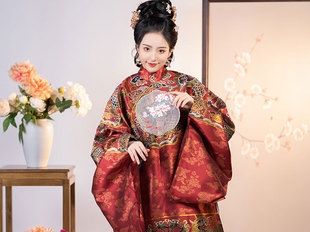
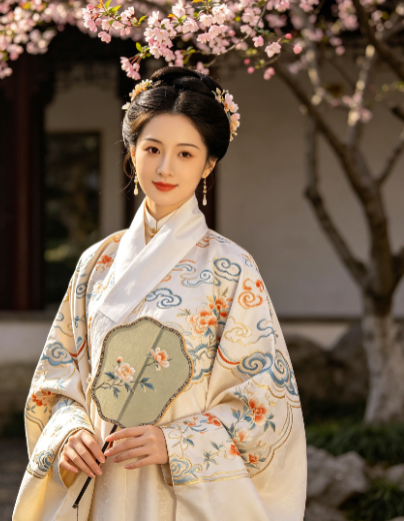
As the traditional attire of the Han ethnic group, Hanfu is the oldest and most classic costume in China, with a history of over 4,000 years. It took its basic shape in the Han Dynasty and was continuously optimized through successive dynasties. The most recognizable feature is cross-collar and right lapel, which forms a Y-shaped neckline and embodies the traditional cultural concept of respecting the right sideThe State Council Information Office of the People's Republic of China. Most Hanfu adopts loose tailoring, flowing wide sleeves and silk sashes instead of modern buttons. A complete Hanfu set includes inner garments, outer robes, headwear, shoes and various accessories.
Different dynasties created distinct Hanfu styles. The Tang Dynasty favored gorgeous, unrestricted designs with bright colors and elegant shawls; the Song and Ming Dynasties preferred simple, gentle and layered styles. In ancient times, Hanfu was worn by people from all social classes, with exquisite embroidery and patterns indicating one’s social status. Nowadays, Hanfu is not commonly worn for daily work, but it has regained great popularity among young people. You can spot locals wearing Hanfu in ancient towns, historical sites and scenic areas across China, especially during traditional festivals. Many tourist attractions also provide Hanfu rental services for visitors to take photos and experience this ancient costume.
Qipao (Cheongsam)
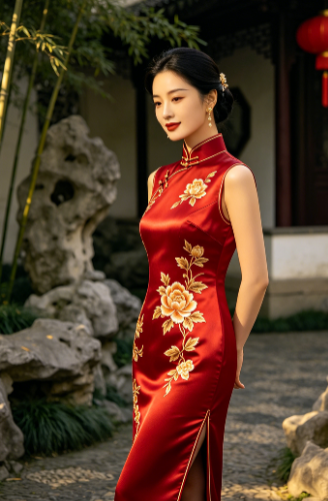
Qipao, also known as Cheongsam, is the most internationally renowned traditional Chinese women’s dress. It evolved from the costumes of the Manchu people in the Qing Dynasty and was innovated into the classic style we know today in the 1920s in Shanghai. A typical qipao has a mandarin collar, exquisite frog buttons, a fitted waist and side slits. Made mainly of silk, satin and cotton, it is often decorated with hand embroidery of flowers, birds, landscapes and traditional patterns.
Qipao perfectly showcases the grace and elegance of oriental women. It is versatile for different occasions: simple styles are suitable for daily wear, while luxurious embroidered ones are ideal for banquets, ceremonies and important events. In modern China, qipao is regarded as a national costume and cultural treasure. Travelers can find various qipao stores in major tourist cities. Many hotels, cultural museums and cruise services also offer qipao experience and photo services. It is a must-try cultural activity for female visitors.
Tang Suit
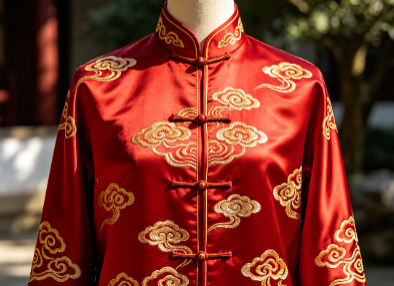
The Tang Suit is a modern interpretation of traditional Chinese costumes, inspired by the clothing styles of the Qing Dynasty and named in memory of the prosperous Tang Dynasty. It features a classic mandarin collar, symmetrical front placket and traditional Chinese knot buttons. Usually made of silk or cotton fabrics with traditional patterns such as dragons, phoenixes, peonies and cloud motifs, it looks simple, solemn and festive.
Unlike Hanfu and qipao, Tang Suit is unisex and suitable for people of all ages. It is widely worn during Spring Festival, family gatherings and traditional cultural events. Many foreign guests choose custom Tang Suits as unique souvenirs. Its comfortable cut and classic design make it easy to wear and carry, which is favored by travelers around the world.
Zhongshan Suit
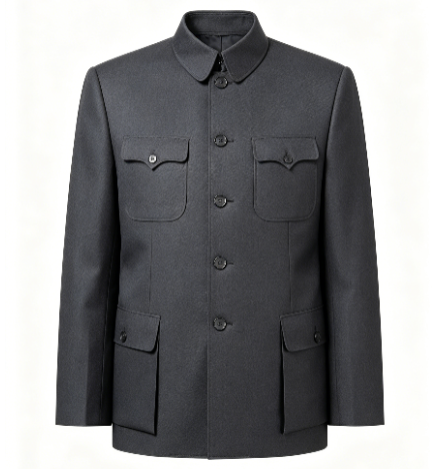
Designed in modern times, the Zhongshan Suit combines traditional Chinese concepts and western tailoring techniques. It has a stand collar, four symmetric pockets and neat lines, symbolizing integrity, diligence and harmony. Once the mainstream formal wear for Chinese men, it represents a special period of modern Chinese history.
Nowadays, Zhongshan Suit is often worn on formal occasions, important ceremonies and cultural commemorative activities. It is a typical symbol of modern Chinese traditional clothing and a popular choice for men to take photos at historical sites.
Traditional Ethnic Minority Costumes
China’s 56 ethnic groups live across different regions, and their costumes are colorful and distinctive, becoming a major highlight of ethnic tourism.
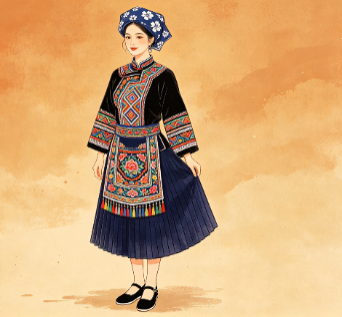
- Zhuang Costume: Mainly popular in Guangxi. Women wear embroidered headscarves, blue and black tops and embroidered aprons with delicate floral patterns.
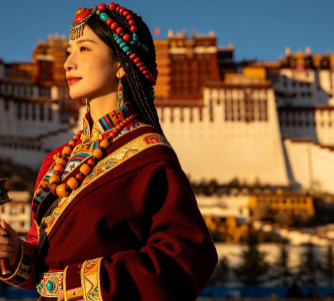
- Tibetan Costume: Mainly seen in Xizang and surrounding areas. People wear thick robes, colorful aprons and various metal accessories, adapted to the high-altitude cold climate.
- Mongolian Costume: Loose long robes, belts and pointed hats are classic designs, matching the nomadic lifestyle.
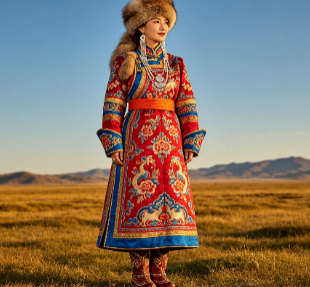
- Miao Costume: Famous for gorgeous silver ornaments and complicated hand embroidery. Silver headpieces, necklaces and embroidered clothes are extremely eye-catching.
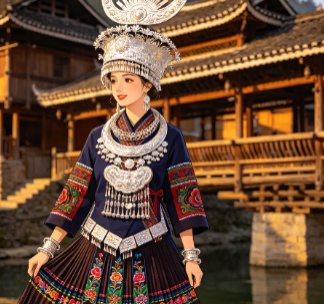
These ethnic costumes are well-preserved in ethnic minority settlements. During local traditional festivals and cultural activities, locals will wear full sets of traditional costumes to hold parades and performances. Travelers can watch wonderful costume shows, rent ethnic outfits for photos, and even learn about hand embroidery and silver ornament craftsmanship.
Practical Travel Tips for Traditional Clothing
-
Experience & Rental ServicesMost ancient towns, cultural scenic spots, historical museums and pedestrian streets provide rental services for Hanfu, qipao and ethnic costumes. Complete sets of matching headwear and accessories are available at affordable prices. Professional makeup and photography services are also offered in many stores, allowing you to enjoy an immersive cultural experience.
-
Shopping & SouvenirsYou can buy well-made qipao, Tang Suit and small embroidered accessories as souvenirs in downtown shopping streets, tourist markets and official craft stores. Silk products from Suzhou, Hangzhou and Shanghai are of top quality. For daily wear, choose simple styles; for collection, select finely embroidered handicraft costumes.
-
Etiquette & Notes for WearingTraditional Chinese costumes carry profound cultural meanings. When wearing them for photos or activities, please maintain proper manners and respect local culture. Do not deliberately damage costumes or make inappropriate poses. When taking photos of locals in ethnic costumes, remember to ask for permission in advance.
-
Best Places to Appreciate Traditional Costumes
- Hanfu: Ancient towns in Hangzhou, Suzhou, Yangzhou and Xi’an.
- Qipao: Shanghai, Beijing and Jiangnan water towns.
- Ethnic Costumes: Guangxi, Yunnan, Xizang, Inner Mongolia and Guizhou.
- Peak Time: All kinds of traditional costumes can be seen everywhere during Spring Festival, Dragon Boat Festival, Mid-Autumn Festival and local ethnic festivals.
Traditional clothing is a moving cultural scroll of China. During your trip, take time to appreciate its exquisite craftsmanship, elegant styles and profound cultural connotations. Trying on these classic costumes will add unique memories to your China tour.
About Chinese Culture
China’s festivals reflect its rich history and family-centric culture, from the vibrant Spring Festival to the serene Mid-Autumn Festival. Discover the traditions, customs, and travel tips for celebrating these key holidays.