Chinese Performance
By Admin
Jun 10, 2026
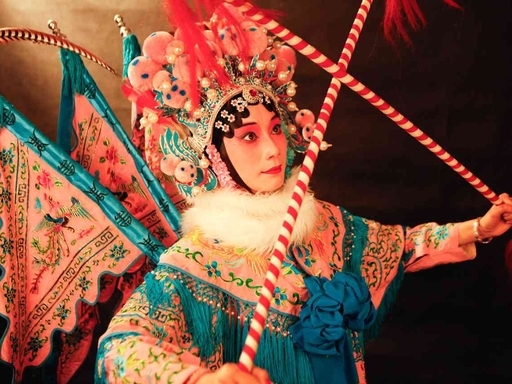
Traditional Chinese performances are brilliant treasures of Chinese civilization. They carry profound history, folk wisdom and unique artistic aesthetics, showcasing the creativity and cultural heritage of the Chinese nation to the whole world. Boasting diverse art forms, these performances integrate music, singing, dancing, storytelling, martial arts and handicrafts. Each genre has distinctive styles, professional skills and cultural connotations. Watching traditional live shows is an unforgettable cultural experience for travelers visiting China. Below are the most classic and widely appreciated traditional Chinese performances.
Beijing Opera
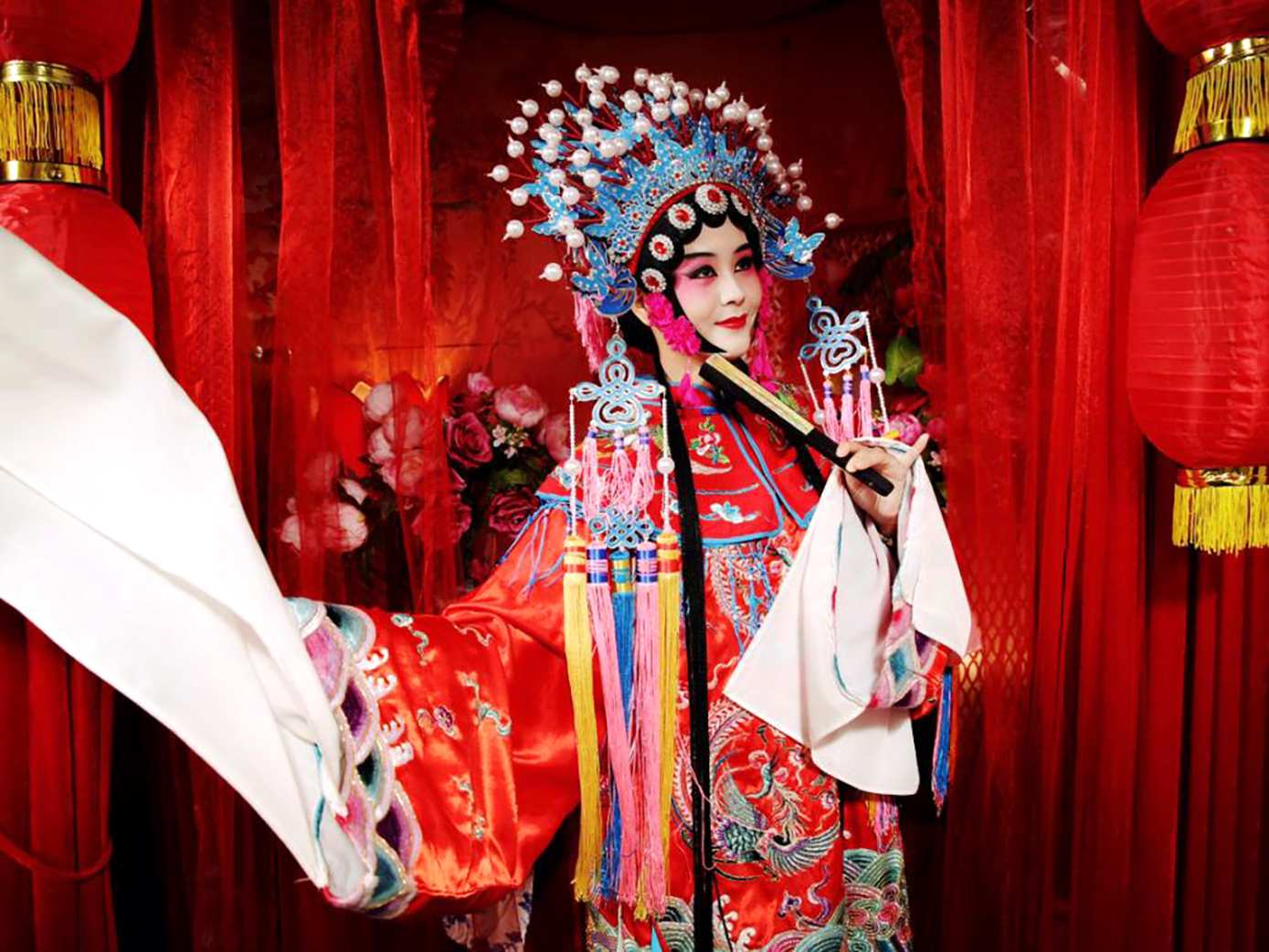
As China’s national opera and a world-famous intangible cultural heritage, Beijing Opera took shape in the late 18th century and matured in the mid-19th century. It perfectly combines singing, recitation, acting and acrobatics, forming highly standardized performing styles.
Beijing Opera has four core role types: Sheng (male roles), Dan (female roles), Jing (painted-face roles) and Chou (clown roles)The State Council Information Office of the People's Republic of China. Its most striking feature is the symbolic facial makeup: red stands for loyalty and bravery, black represents integrity and power, while yellow and white indicate cunning charactersThe State Council Information Office of the People's Republic of China. Paired with gorgeous costumes, delicate headwear and melodious tunes, Beijing Opera presents vivid historical stories and folk legends. Many theaters in Beijing, Shanghai and Xi’an offer regular performances for tourists.
Kunqu Opera
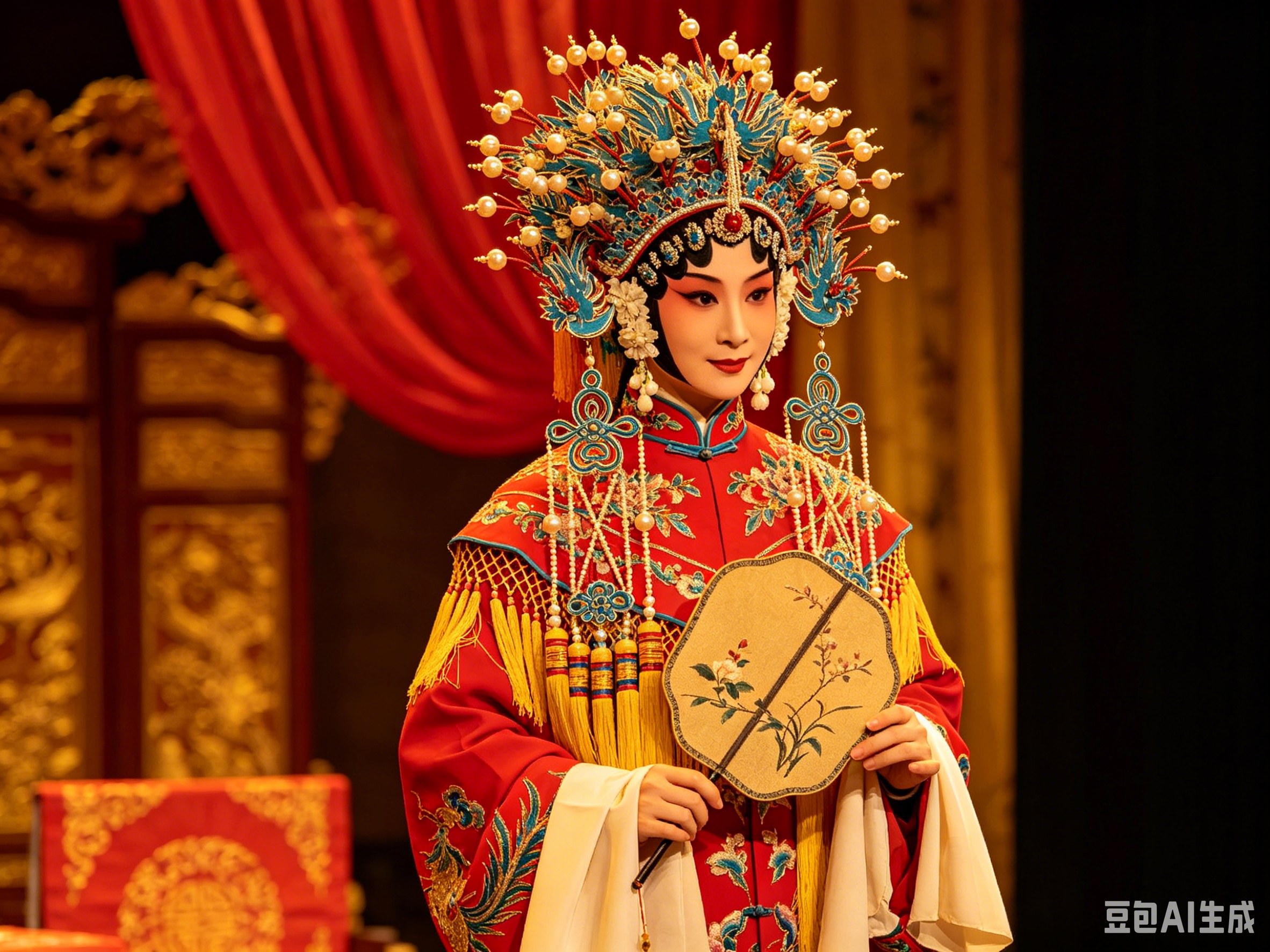
Known as the "Mother of All Chinese Operas", Kunqu Opera is one of the oldest opera genres in China, originating around 600 years ago in Kunshan near Suzhou. It was inscribed on the UNESCO Representative List of the Intangible Cultural Heritage of HumanityThe State Council Information Office of the People's Republic of China.
Kunqu is celebrated for its elegant lyrics, soft melodies, graceful body movements and exquisite dance scenesThe State Council Information Office of the People's Republic of China. Mainly accompanied by bamboo flutes, its music is gentle and poetic. Most repertoires are adapted from classical literary works. With refined artistry and strong literary charm, Kunqu is favored by audiences who appreciate elegant traditional arts. You can enjoy authentic Kunqu performances in Suzhou, Nanjing and Shanghai.
Sichuan Opera
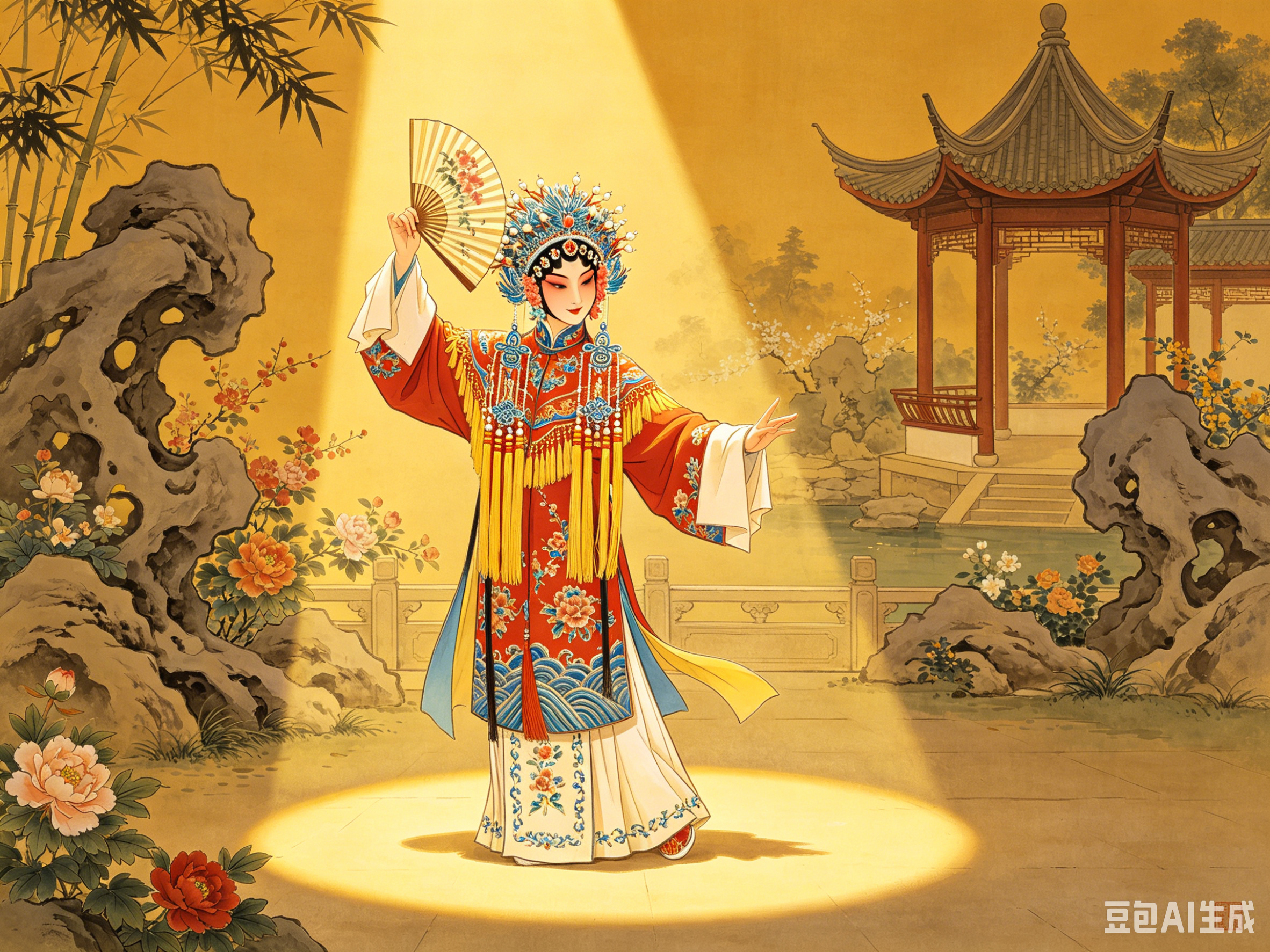
Originating from Sichuan Province in southwest China, Sichuan Opera is a well-known local opera with strong regional characteristics. It is famous for lively tunes, humorous plots and stunning unique stunts.
Face Changing is the most iconic skill of Sichuan Opera. Performers can change their facial masks in a split second, bringing amazing visual surprises to the audience. Other classic acts include fire spitting and rolling lanterns. The performance style is lively and down-to-earth, full of local folk humor. Sichuan Opera shows are must-see programs when traveling to Chengdu and Chongqing.
Quyi
Quyi, also called folk vocal art, is a general term for various traditional storytelling and singing performances. Different from operas, Quyi focuses more on narration and vocal expression, combining speaking, imitating and singing skills.
This art form includes dozens of branches, such as Crosstalk, Storytelling, Ballad Singing and Clapper Talk. Most Quyi performances use simple props and flexible stages. The stories are close to daily life, funny and easy to understand. It is a popular folk entertainment across northern and southern China. You can watch Quyi shows in old teahouses and folk art theaters.

Chinese Acrobatics
Chinese Acrobatics has a history of more than 2,000 years and is renowned worldwide for superb skills. Rooted in folk life, it includes balancing acts, tumbling, hoop diving, plate spinning, chair stacking and various stunts.
Acrobats undergo rigorous training to complete difficult, thrilling yet graceful movements. The performances are exciting and breathtaking, suitable for audiences of all ages. Professional acrobatic troupes in Beijing, Shanghai and Wuhan hold daily performances. It is one of the most popular traditional shows for international tourists.

Shadow Play (Shadow Puppetry)
Shadow Puppetry is an ancient folk performing art that combines handcraft, storytelling and performance. Artists carve exquisite puppet figures from animal skin or cardboard, and manipulate them behind a translucent screen with lights to present vivid shadow stories.
With soft background music and vivid narration, shadow plays tell ancient legends, fairy tales and folk stories. The delicate puppet carving and flexible manipulation skills fully reflect traditional handcraft wisdom. This art is widely preserved in northern China and Shaanxi Province. Many scenic spots and folk museums arrange shadow play shows for visitors to experience.

About Chinese Culture
China’s festivals reflect its rich history and family-centric culture, from the vibrant Spring Festival to the serene Mid-Autumn Festival. Discover the traditions, customs, and travel tips for celebrating these key holidays.