Chinese Cuisine
By Admin
Jun 10, 2026
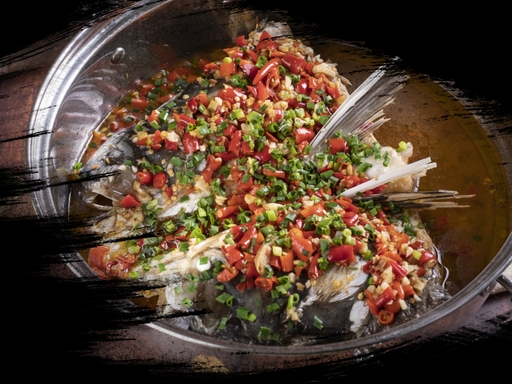
Chinese Cuisine: A Traveler’s Guide to Flavors & Traditions
Chinese cuisine is one of the most diverse and celebrated culinary traditions in the world, shaped by thousands of years of history, regional geography, and cultural values. For travelers, exploring local food is one of the best ways to experience the true heart of China, from street-side snacks to elaborate banquets.
- The Four Major Culinary TraditionsChinese cuisine is often divided into four major regional styles, each with distinct flavors and cooking techniques:
- Sichuan Cuisine: Known for bold, spicy, and numbing flavors from Sichuan peppercorns and chili peppers. Popular dishes include mapo tofu, kung pao chicken, and hot pot.

- Cantonese (Guangdong) Cuisine: Focused on fresh ingredients, light seasoning, and steaming or stir-frying. Dim sum, roasted meats, and congee are iconic highlights.

- Shandong Cuisine: Characterized by clear broths, seafood dishes, and braised meats, often with a salty and savory taste. It is known for its refined cooking techniques and is considered one of the oldest styles.

- Huaiyang Cuisine: Valued for delicate, balanced flavors and careful presentation. It is famous for dishes like braised pork belly, steamed fish, and finely carved vegetable garnishes.
- Iconic Dishes Every Traveler Should Know
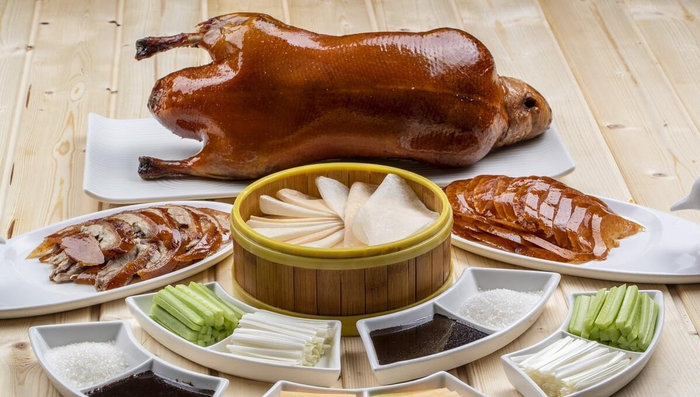
- Peking Duck: A famous Beijing specialty with crispy skin, tender meat, and thin pancakes for wrapping.
- Dumplings (Jiaozi): A staple across China, especially popular during festivals. They come in steamed, boiled, or fried varieties with various fillings.

- Noodles (Mian): From hand-pulled Lanzhou beef noodles to spicy Sichuan dan dan noodles, noodles are a beloved comfort food in every region.

- Hot Pot: A communal dining experience where diners cook raw ingredients in a simmering broth, popular in Sichuan, Chongqing, and northern China.

- Dim Sum: Cantonese-style small plates, including har gow (shrimp dumplings), siu mai, and char siu bao, typically served with tea for brunch.

- Dining Customs & Etiquette
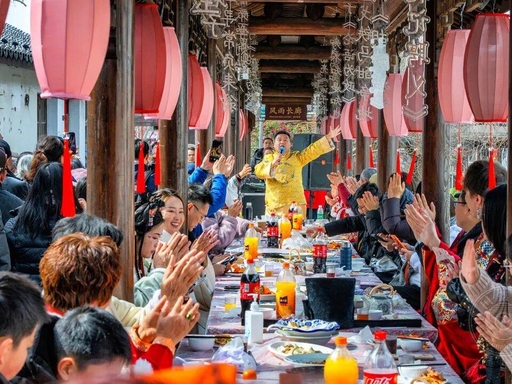
- Family-Style Meals: Most meals are served with multiple shared dishes placed in the center of the table, allowing everyone to taste a variety of flavors.
- Chopstick Etiquette: Never stick chopsticks upright in a bowl of rice (a tradition associated with funerals), and avoid using them to point at people or tap on the table.

- Tea as Hospitality: Offering and accepting tea is a sign of politeness. Refilling others’ cups before your own is a common gesture of respect.
- Toasting: In formal settings, toasting with tea or alcohol is common. When clinking glasses, it is polite to hold your glass slightly lower than the glass of someone older or more senior.
- Street Food & Local Snacks
Street food is an essential part of Chinese culinary culture, offering affordable and authentic tastes of local life. Popular snacks include:
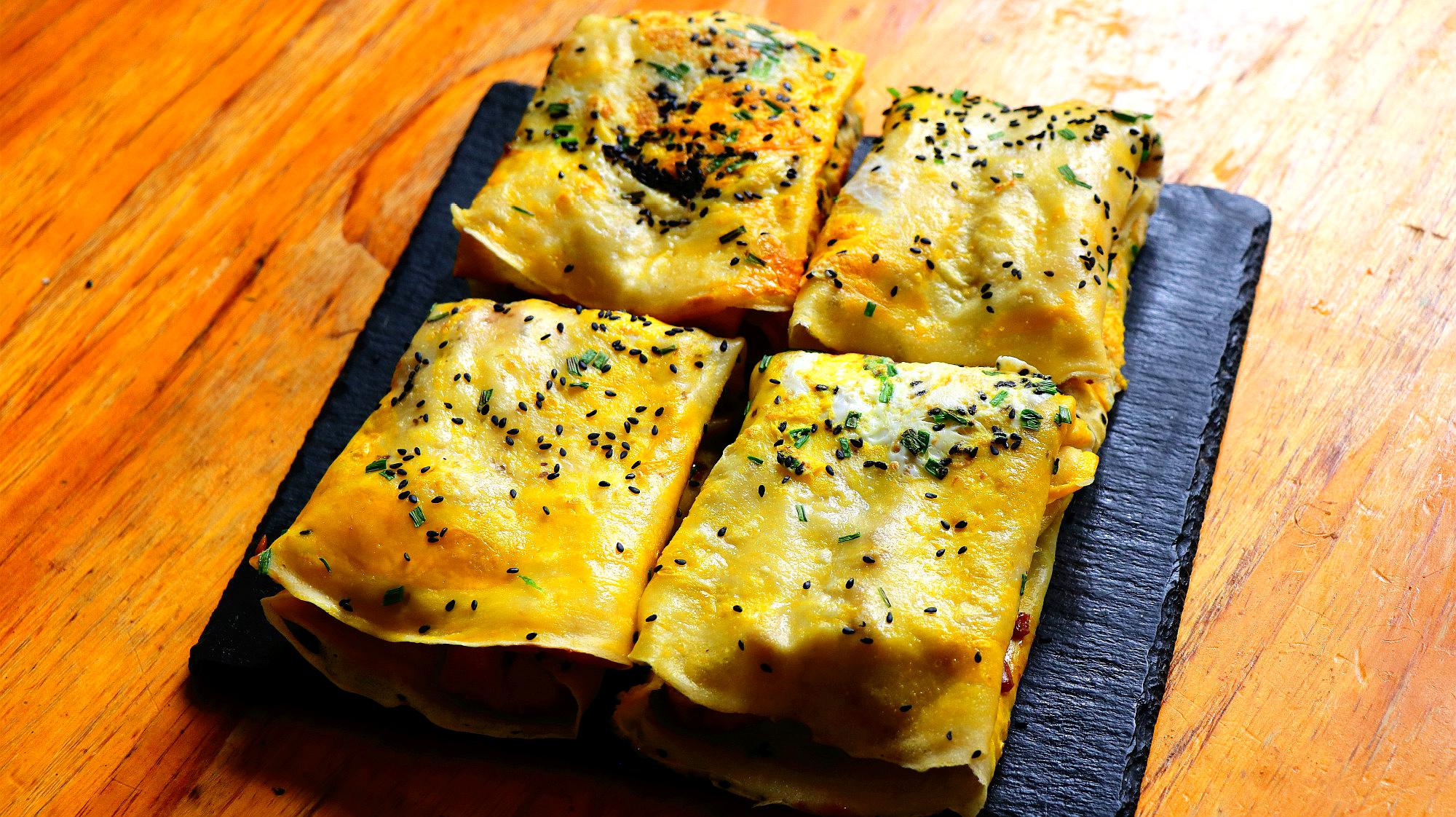
- Jianbing: A crispy egg pancake, often eaten as a breakfast staple.
- Stinky Tofu: A divisive but beloved fermented tofu dish, deep-fried and served with spicy sauce.

- Tanghulu: Candied hawthorn skewers, a sweet and tart treat often found at markets and festivals.

- Muslim Hui Snacks: In regions like Xi’an, Lanzhou, and Urumqi, you can find halal street food such as lamb skewers, flatbreads, and rice noodles.
- Practical Travel Tips for Food Lovers
- Dietary Needs: Vegetarian, vegan, and halal options are available in most major cities, but it is helpful to learn basic phrases to communicate your needs. Many tourist areas also have restaurants catering to international diets.
- Food Safety: Stick to busy street stalls with high turnover of ingredients, as they are less likely to cause foodborne illness.
- Regional Specialties: Every province has its own unique dishes. Try local specialties like spicy crayfish in Hubei, rice noodles in Guilin, or hot pot in Chongqing for a true taste of the region.
About Chinese Culture
China’s festivals reflect its rich history and family-centric culture, from the vibrant Spring Festival to the serene Mid-Autumn Festival. Discover the traditions, customs, and travel tips for celebrating these key holidays.