Chinese Architecture
By Admin
Jun 15, 2026
Chinese Architecture
As one of the world’s four great ancient civilizations, China boasts a long recorded history of more than 3,000 years, a vast territory and diverse cultures from 56 ethnic groups. Traditional Chinese architecture stands as a splendid and distinctive branch of Chinese civilization.
In ancient times, there were seven major independent architectural systems across the globe. Many of them gradually faded or failed to gain wide influence, including the architectural styles of ancient Egypt, West Asia, India and the Americas. Today, only Chinese, European and Islamic architecture remain as the three greatest architectural systems in the world. Among them, Chinese and European architecture have inherited the longest history, spread to the widest regions and created the most remarkable artistic and practical achievements.
Traditional Chinese architecture features unique structural designs, elegant appearances and profound cultural connotations. Centered mainly on wooden frameworks, it formed complete construction theories, craft techniques and aesthetic styles after thousands of years of development. Different types of buildings carry varied functions and symbolic meanings, and regional styles also differ greatly across the country. These ancient architectures are not only outstanding engineering works, but also precious cultural heritage waiting for travelers to explore.
Types of Chinese Architectures
Traditional Chinese architecture covers a rich variety of categories, built for different purposes and scenarios.
Ancient Chinese Wooden Architecture
Wooden structure is the core feature of classic Chinese architecture. Most ancient buildings adopt a sophisticated wood frame system, with columns, beams and brackets supporting the whole house. This design is flexible, shock-resistant and easy to construct. Craftsmen use tenon-and-mortise joints instead of nails, making the structure solid and durable. Different from stone-based Western ancient buildings, wooden architecture presents a gentle, natural and harmonious beauty that blends well with the surrounding environment.
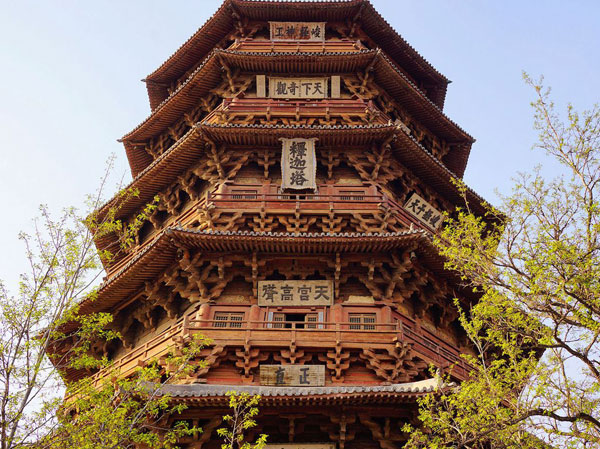
External Features of Chinese Architecture
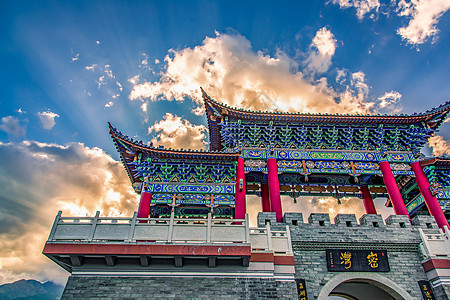
The most recognizable exterior traits include large curved upturned eaves, layered roof ridges and colorful decorative paintings. The sloping curved roof can effectively drain rain and block strong sunlight. Roof decorations such as mythical animal figurines are commonly seen on ridge ends, which were believed to ward off evil spirits and pray for blessings. Red wooden pillars, painted beams and carved window lattices form a classic visual style, magnificent yet delicate. Symmetrical layout is also a typical external characteristic, reflecting traditional aesthetic concepts.
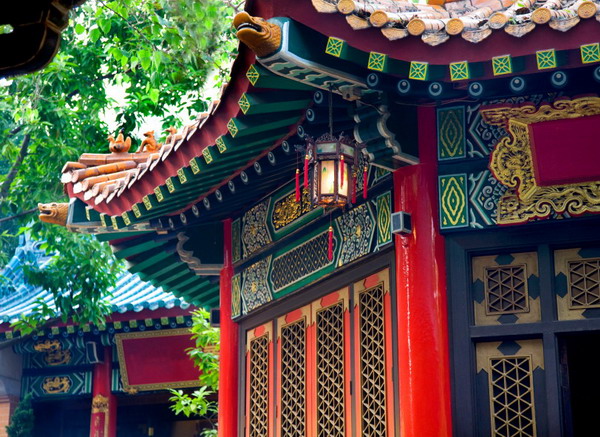
Internal Characteristics of Chinese Architecture
In terms of interior design, traditional Chinese buildings stress spatial order and practicality. The overall layout follows strict symmetry, representing the ancient ideas of hierarchy, etiquette and harmony. Courtyards are widely used as the core space to connect different rooms, forming an open and well-ventilated living environment. Interior decorations include carved wooden partitions, hanging scrolls, calligraphy and paintings, as well as traditional furniture. Every detail inside embodies the pursuit of combining utility, art and cultural taste.

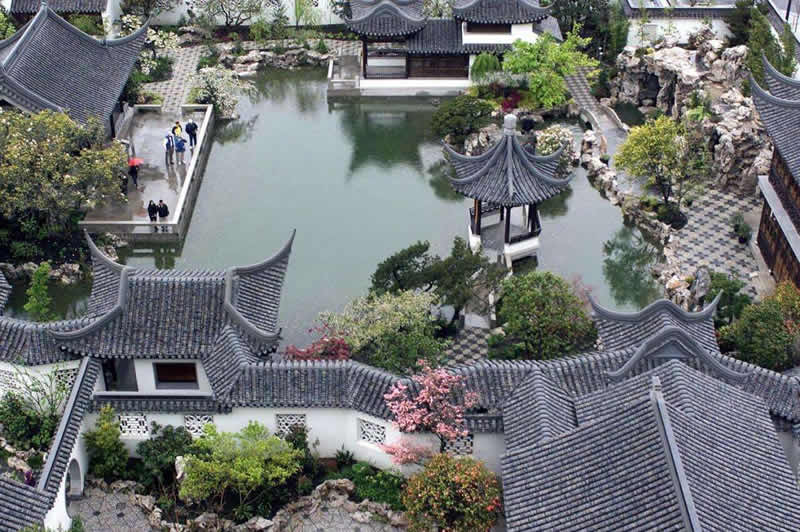
Graceful Chinese Garden Architectures
Chinese classical gardens are world-famous for their unique artistic conception. Different from regular Western gardens, they pursue the beauty of "imitating nature". Rockeries, ponds, pavilions, corridors, winding paths and exotic plants are arranged skillfully, creating layered scenery and changing views. Suzhou and Hangzhou are home to the most exquisite classical gardens. Walking through a Chinese garden is like wandering inside a moving landscape painting, bringing peace and artistic enjoyment to visitors.
Traditional Chinese Vernacular Dwellings
Folk residential buildings vary greatly in different regions due to climate, geography and local customs. In northern China, courtyard houses (Siheyuan) are representative, with enclosed yards and thick walls to keep warm. In southern water towns, stilt houses and riverside dwellings are common, adapting to humid weather and dense water networks. Unique ethnic dwellings include Mongolian yurts, Tibetan blockhouses and Fujian Tulou. These diverse folk architectures fully reflect the wisdom of local people adapting to natural conditions.

Palace & Royal Architecture
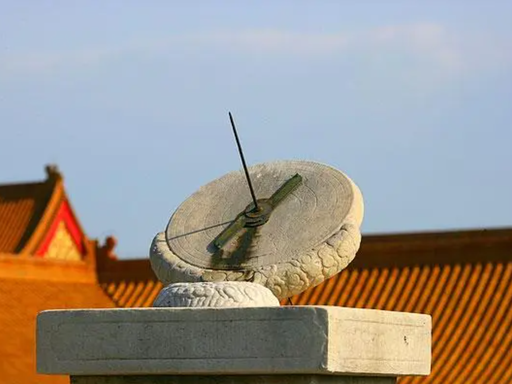
Royal buildings represented by the Forbidden City are the peak of ancient Chinese architecture. They adopt grand scales, strict symmetrical layouts, bright colors and elaborate carvings. Tall halls, vast squares and gorgeous glazed tile roofs highlight imperial dignity and supreme status. Royal architecture sets the highest standard of ancient construction skills and artistic aesthetics.
About Chinese Culture
China’s festivals reflect its rich history and family-centric culture, from the vibrant Spring Festival to the serene Mid-Autumn Festival. Discover the traditions, customs, and travel tips for celebrating these key holidays.