Chinese Calligraphy & Painting
By Admin
Jun 15, 2026
Chinese Calligraphy & Painting
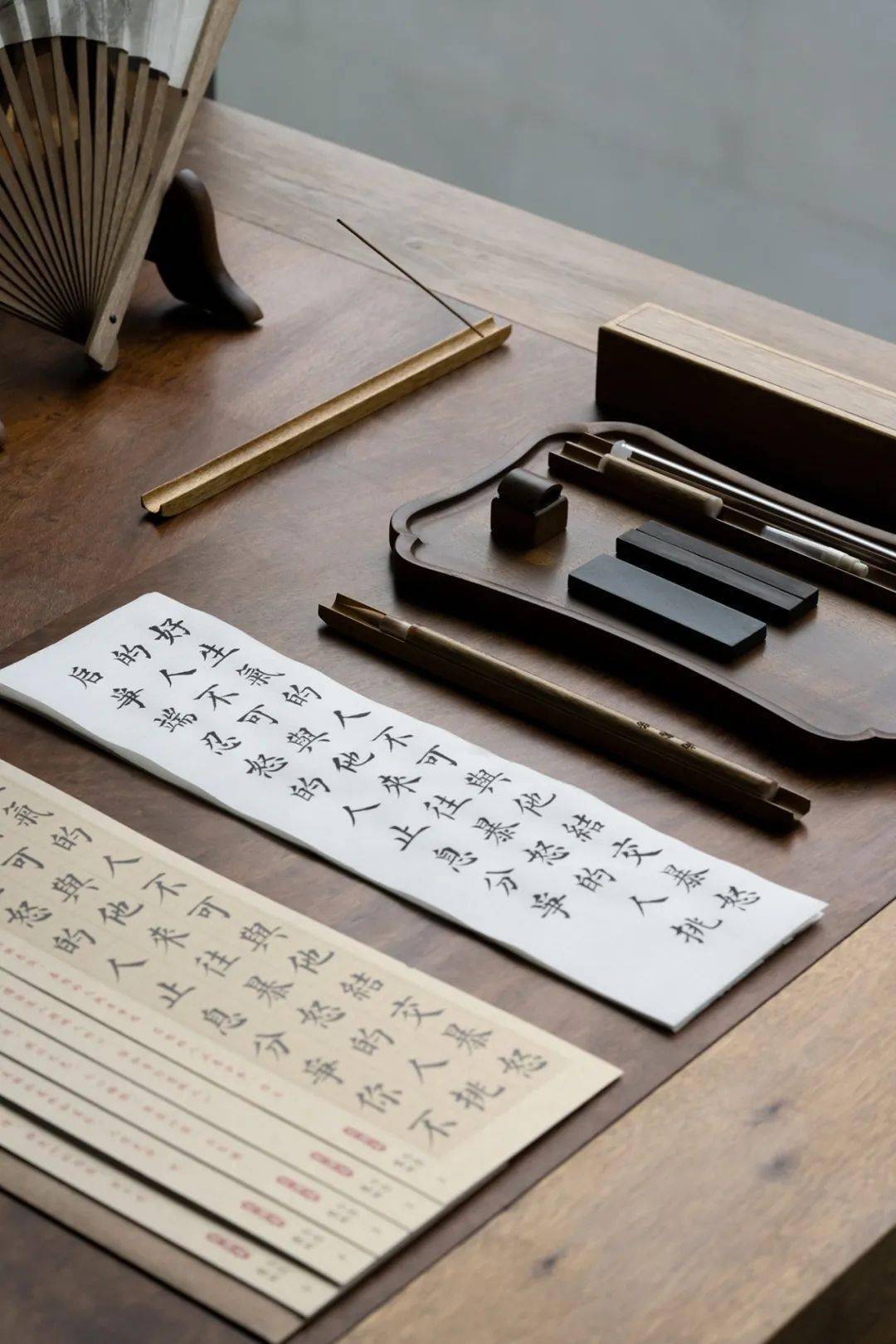
Chinese calligraphy and traditional painting are two precious artistic treasures of China. Together with qin (ancient string instrument) and qi (Chinese chess), they make up the Four Arts of the Chinese Scholar, which were essential accomplishments for well-educated literati in ancient times. Practicing calligraphy and painting was not only a way to pursue artistic elegance, but also an effective method to cultivate one’s temperament and inner peace.
With a time-honored history, Chinese Calligraphy (Shufa) is the unique art of writing Chinese characters. Great masters express their emotions, thoughts and aesthetics through brush strokes. Even if you cannot read Chinese characters, you can still fully appreciate the flowing lines, varied textures and rhythmic beauty of calligraphy works, just like enjoying abstract art.
Traditional Chinese Painting enjoys worldwide fame for its original styles and distinct national characteristics. After thousands of years of development, numerous artistic schools have taken shape while sharing core aesthetic concepts. In terms of painting techniques and styles, it is mainly divided into two major genres: Xieyi and Gongbi.
Xieyi, meaning "painting the mood and spirit", features free, unrestricted brushwork and bold use of ink. Artists focus on capturing the inner charm of subjects rather than precise details. Gongbi, or "meticulous painting", is famous for delicate lines, fine detailing and careful coloring, presenting every object with great precision. Symbolism is widely applied in both styles, which is one of the most fascinating features that draw the curiosity of foreign visitors.
Chinese Calligraphy
Chinese calligraphy is an art integrating writing, aesthetics and philosophy. Different writing styles have been created throughout history, including Oracle Bone Script, Seal Script, Clerical Script, Regular Script, Running Script and Cursive Script. Each style has its own charm: Regular Script is neat and dignified, Running Script is smooth and natural, while Cursive Script is bold and unrestrained.
A good calligraphy work reflects the writer’s personality and state of mind. In traditional culture, calligraphy works are widely used as decorations, gifts and art collections. During your trip, you can admire classic calligraphy pieces in museums, ancient gardens and cultural halls, or even try basic brush writing for a hands-on experience.
Four Treasures of the Studio
Also known as the Four Jewels of the Study, they are the fundamental tools for creating calligraphy and traditional Chinese painting, consisting of brush, ink stick, paper and ink stone.
- Writing Brush: Made of animal hair and bamboo handles, different brushes produce soft or firm strokes for varied artistic effects.
- Ink Stick: Ground with water on the ink stone to make liquid ink, it determines the tone and thickness of the lines.
- Xuan Paper: A special handmade rice paper with good ink absorption, ideal for both calligraphy and ink painting.
- Ink Stone: A polished stone used for grinding ink, also regarded as a fine craftwork.
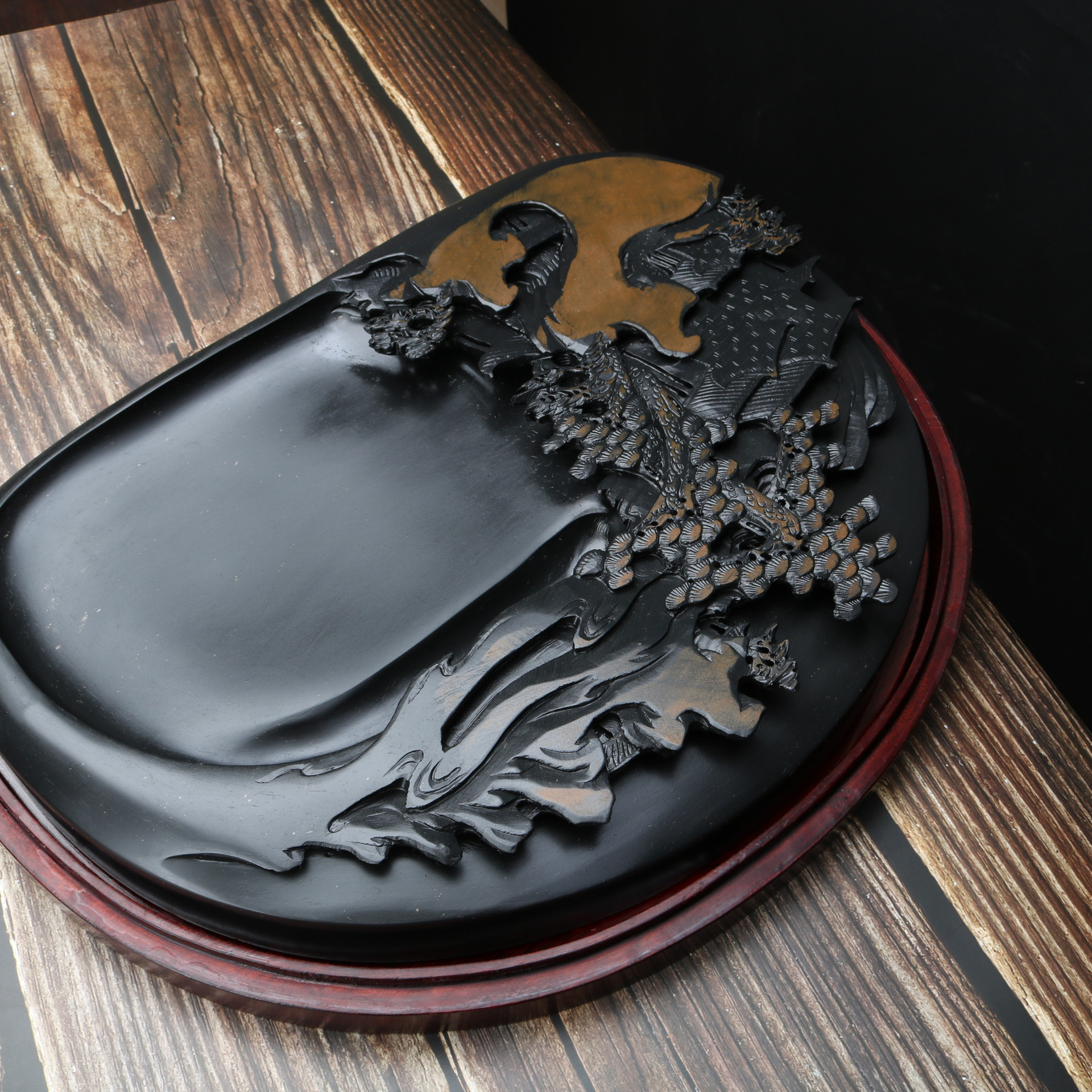
These traditional tools are classic souvenirs for art lovers.
Chinese Seal
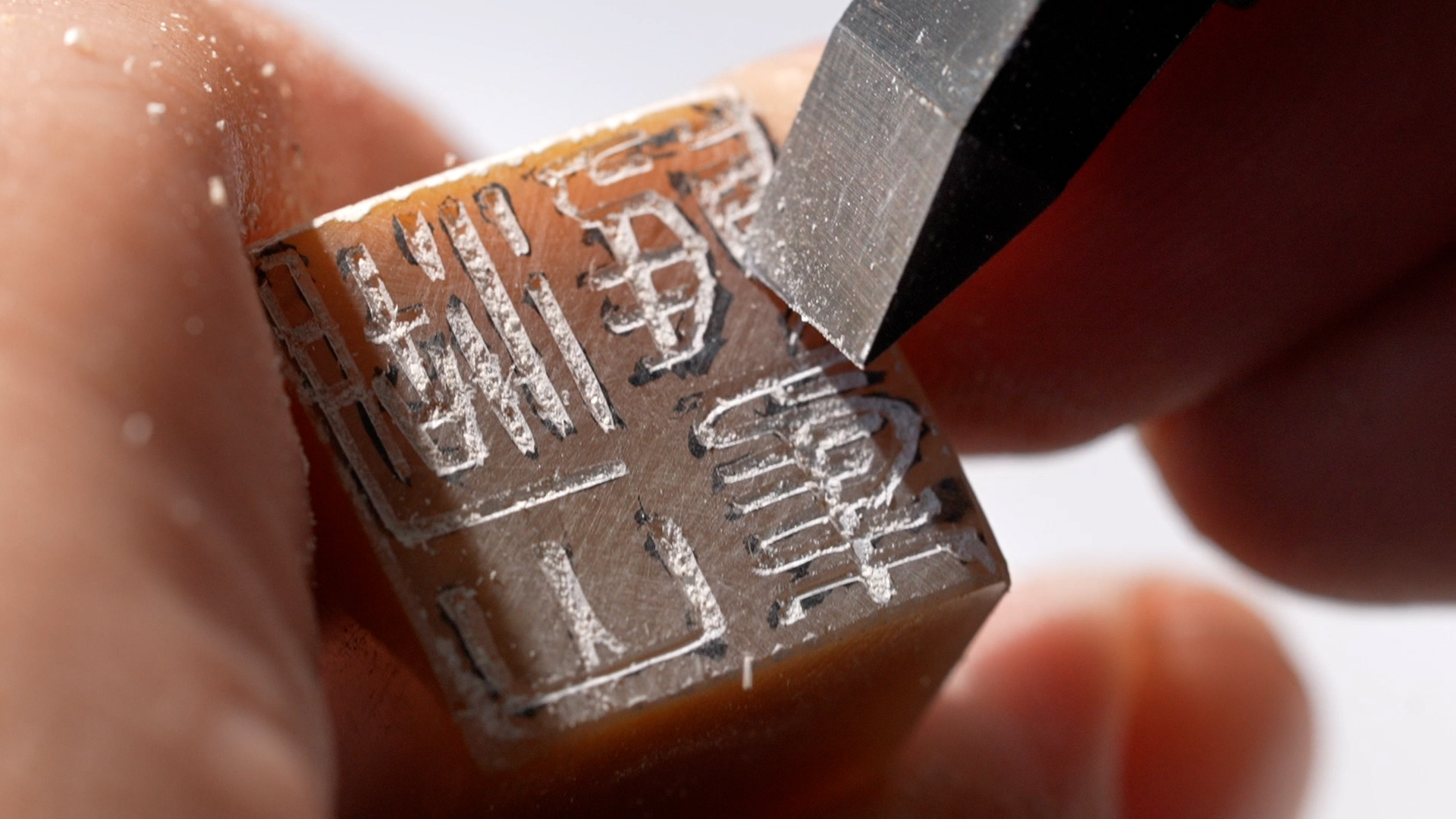
Seal carving is closely connected with calligraphy and painting. Artists usually stamp personal seals on finished works as a signature and ornament. Chinese seals combine carving art, calligraphy and decorative patterns. They come in various shapes and are made of stone, wood and other materials. Customized name seals are popular cultural gifts and distinctive travel keepsakes.
Chinese Painting
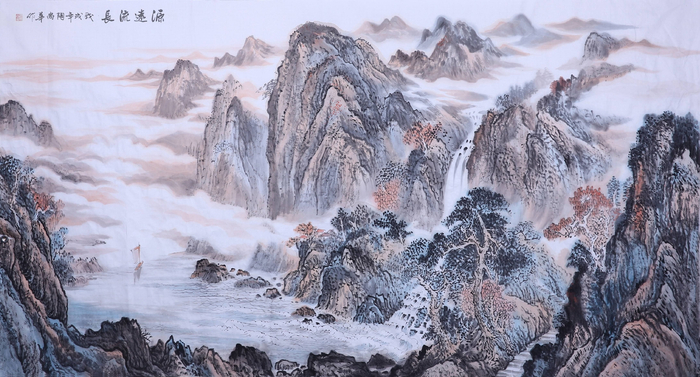
Traditional Chinese painting mainly uses ink, mineral and plant pigments on rice paper or silk. Common themes include landscapes, flowers and birds, figures, animals and pavilions. Landscape painting is the most representative category, emphasizing the harmony between human and nature. Flower-and-bird paintings carry rich auspicious meanings, while figure paintings record historical stories and folk customs.
Different from Western oil painting, Chinese painting pursues artistic conception rather than purely realistic depiction. Combined with calligraphy, poems and seals, a complete painting becomes an integrated art piece with profound cultural connotations. Many scenic spots, art galleries and cultural studios offer painting appreciation and experience courses for tourists.
About Chinese Culture
China’s festivals reflect its rich history and family-centric culture, from the vibrant Spring Festival to the serene Mid-Autumn Festival. Discover the traditions, customs, and travel tips for celebrating these key holidays.