Chinese Dragon
By Admin
Jun 15, 2026
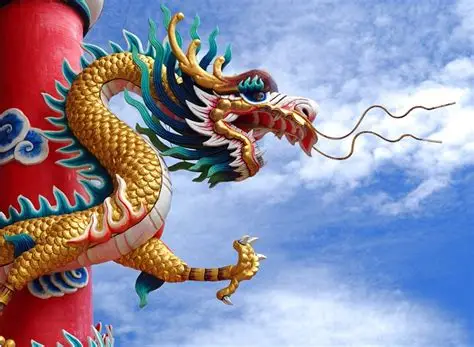
Chinese Dragon
The Chinese dragon, known as Long in Mandarin, stands as the most sacred and iconic mythical symbol in Chinese civilization. With a history stretching back over 6,000 years, it has been deeply woven into mythology, royal culture, folk customs, art and daily life across the nation. Distinct from the fierce, fire-breathing evil dragons in Western legends, the Chinese dragon is universally regarded as a benevolent, powerful and auspicious divine creature. It is believed to govern wind, rain and all natural water systems, safeguarding bumper harvests, national prosperity and people’s well-being. Chinese people proudly call themselves "descendants of the dragon", making this mythical beast a core emblem of national identity and cultural spirit.
The classic image of the Chinese dragon is a wonderful combination of features from nine different animals: deer antlers, camel head, rabbit eyes, ox ears, snake neck, carp scales, eagle claws, tiger paws and clam belly. Most traditional Chinese dragons have no wings yet can soar freely among clouds and dive deep into waters, showcasing extraordinary supernatural power. This unique artistic shape fully reflects ancient people’s imagination and aesthetic wisdom.
History & Origins
The worship of dragons in China originated in the Neolithic Age. Archaeologists have unearthed delicate jade dragon relics from the Hongshan Culture dating back to around 4700 BCE, proving that dragon totems had already taken shape at that time. During the Shang and Zhou dynasties, dragon patterns were widely carved on oracle bones, bronze wares and ritual vessels, closely linked to ancient sacrificial ceremonies and divine worship.
In feudal imperial times, the dragon was exclusive to emperors, symbolizing supreme royal power. The imperial robes, palace pillars, roof ridges and daily utensils of emperors were all decorated with elaborate dragon carvings and paintings. Ordinary civilians were forbidden to use standard dragon patterns privately. After the end of the imperial era, the dragon stepped down from the royal palace and became a shared cultural symbol of all Chinese people, accessible to everyone in folk art and celebrations.
Main Types of Chinese Dragons
Chinese mythology has created various dragons with different duties and characteristics, and you can see their images in architectures, paintings and handicrafts during your travel:
- Shenlong (Spiritual Dragon): The most revered dragon in folk belief. It controls wind and rain, bringing timely rainfall for crops. Farmers often hold rituals to pray to Shenlong for good weather and harvests.
- Yinglong (Winged Dragon): A legendary winged dragon with great strength. It once helped ancient heroes tame floods and defeat enemies in myths, representing bravery and dedication.
- Panlong (Coiling Dragon): Dragons coiled around pillars, screens and utensils. They are common decorative patterns in palaces, temples and ancient buildings, symbolizing dignity and auspiciousness.
- Dragon King: The ruler of all waters including rivers, lakes and seas. Temples dedicated to the Dragon King can be found across riverside and coastal areas.
There is also a well-known tale of the Nine Sons of the Dragon. Each son has a different appearance and special skills, and their images are widely applied on architectural decorations, musical instruments, stone tablets and ancient furniture, which are distinctive cultural highlights in traditional Chinese architecture.
Dragon Culture in Traditional Customs & Festivals
Dragon-related activities are indispensable parts of Chinese traditional festivals, and these lively scenes are wonderful cultural experiences for foreign visitors.
- Dragon Dance: One of the most classic folk performances during the Spring Festival, Lantern Festival and major celebrations. Dancers manipulate long dragon props to mimic the dragon soaring and dancing. People believe dragon dances can drive away bad luck and pray for a lucky new year. It is a spectacular scene full of festive joy.
- Dragon Boat Festival: Held on the fifth day of the fifth lunar month. Grand dragon boat races are held on rivers nationwide. The custom originates from ancient rituals to worship the dragon and commemorate historical figures, integrating sports, folklore and blessings.
- Dragon Lantern Shows: Popular in many regions during festivals. Colorful dragon-shaped lanterns parade on streets at night, creating a gorgeous and lively atmosphere.
Dragons in Art, Architecture & Travel Attractions
Dragon motifs can be seen everywhere across China’s scenic spots and historic sites, becoming a major feature of cultural tourism:
- Imperial Buildings: The Forbidden City in Beijing is a world-famous "dragon world". Countless dragon carvings are on roof beams, stone railings, door panels and imperial costumes, showing the supreme status of dragons in royal culture.
- Nine-Dragon Walls: Located in Beijing, Datong and other cities, these large screen walls are covered with vivid glazed dragon sculptures. They are classic ancient artworks and must-visit photo spots.
- Handicrafts: Dragons are common themes on jade carvings, paper-cuts, embroidery, porcelain and kites. Dragon-themed handicrafts are popular and meaningful travel souvenirs.
- Place Names: Many mountains, rivers, villages and scenic areas are named after dragons, such as Dragon’s Back Rice Terraces in Guilin and Dragon Ridge in Hong Kong, accompanied by interesting local legends.
Dragon & Chinese Zodiac
The Dragon is the fifth animal in the 12 Chinese Zodiac cycle and the only mythical creature among the twelve signs. It is regarded as the most auspicious zodiac sign. People born in the Year of the Dragon are believed to be intelligent, confident, ambitious and blessed with good fortune. Every Year of the Dragon will usher in more grand celebrations and dragon-themed cultural activities across the country.
Key Cultural Tips for Travelers
- The dragon is a sacred symbol in Chinese culture. Please show respect when viewing dragon carvings, costumes and cultural relics, and do not make inappropriate gestures or remarks.
- When watching dragon dances and dragon boat races, follow on-site rules to enjoy the traditional performances politely.
- Dragon-themed souvenirs are ideal gifts. You can choose exquisite dragon embroidery, small dragon carvings and painted crafts to take home.
About Chinese Culture
China’s festivals reflect its rich history and family-centric culture, from the vibrant Spring Festival to the serene Mid-Autumn Festival. Discover the traditions, customs, and travel tips for celebrating these key holidays.