Chinese Kung Fu
By Admin
Jun 15, 2026
Chinese Kung Fu
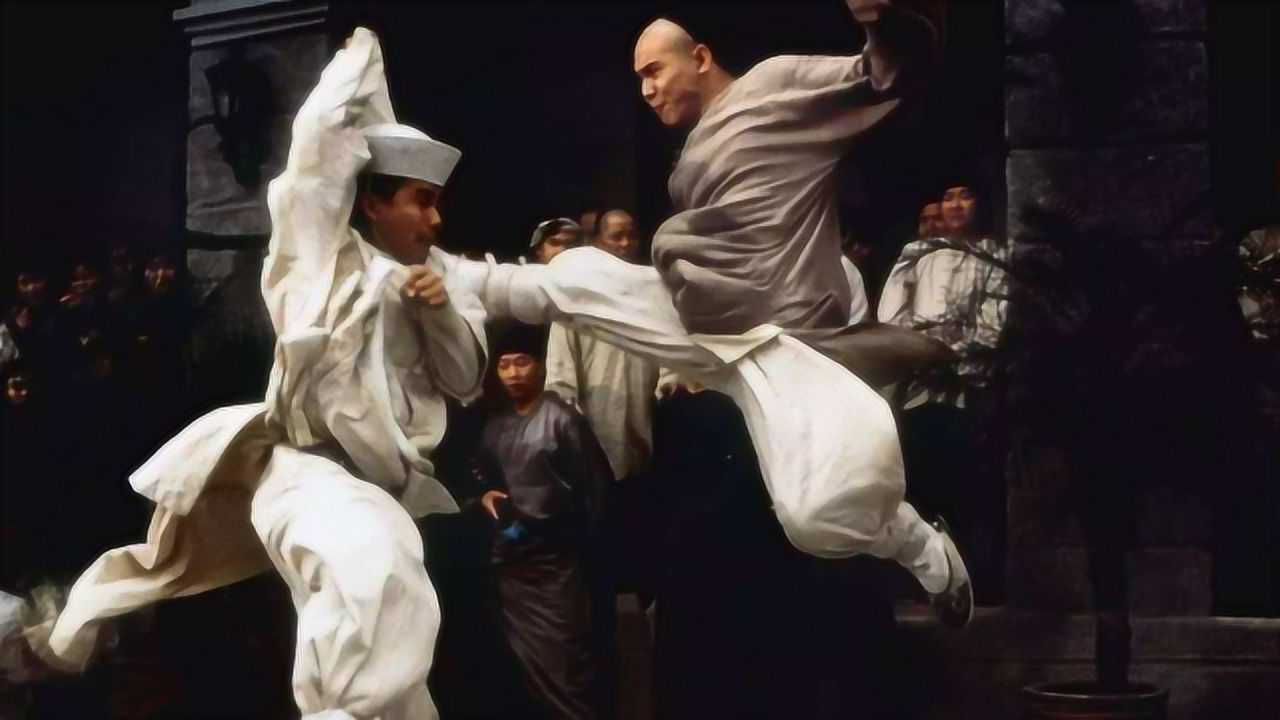
Commonly known worldwide as Kung Fu, Chinese martial arts are formally named Wushu in China. The term "Kung Fu" was popularized by Western missionaries in history. Literally, Kung Fu refers to superb skills and proficiency acquired through long-term dedicated training. It can describe expertise in any field, not merely martial arts. Before the 1930s, the word "Kuo-Shu" was widely used across China to refer to martial arts, and this name is still commonly seen in Taiwan today. With a history spanning thousands of years, Chinese Kung Fu has evolved into a profound cultural system, integrating combat techniques, physical training, traditional philosophy and moral cultivation.
Chinese Kung Fu includes a vast array of styles, covering bare-handed combat and weapon performances. Traditionally, it is divided into two major branches: External Styles (Waijiaquan) and Internal Styles (Neijiaquan). Geographically, it is also classified into the Northern School and the Southern School, forming a diverse and distinctive martial arts landscape across the country.
Two Major Schools: Northern School & Southern School
Northern School (Shaolin Sect)
Originating from the world-famous Shaolin Temple in Henan Province, a sacred land of Buddhism, the Northern School represents classic external martial arts. Shaolin Kung Fu features powerful, bold and unrestricted movements with wide stances, long-range strikes and explosive strength. It focuses on physical toughness, speed and combat effectiveness. Well-known styles of the Northern School include Shaolinquan, Changquan, Fanziquan and various cudgel and sword techniques. The philosophy of "unity of Chan and martial arts" has been passed down for generations, combining Buddhist cultivation with martial training.

Southern School (Wudang Sect)
Rooted in Wudang Mountain in Hubei Province, a holy site of Taoism, the Southern School stands for internal martial arts. It follows the core principle of "overcoming hardness with softness" and "controlling movement with tranquility". Movements are compact and steady, laying emphasis on regulating breath and cultivating internal energy (Qi). Representative internal styles include Tai Chi, Bagua Zhang and Xingyi Quan. Wudang martial arts perfectly merge Taoist yin-yang philosophy with physical exercises, pursuing harmony between human and nature.
Representative Kung Fu Styles
External Martial Arts
External styles prioritize physical strength, agility and combat skills, which are dynamic and spectacular to watch.
- Shaolinquan: The most renowned external style. It includes numerous sub-styles such as Luohan Quan, Hong Quan and animal imitation boxing (Tiger, Leopard, Snake, Crane and Dragon). Shaolin is also famous for traditional weapons like Shaolin staff and broadsword. Strict daily training builds practitioners’ stamina, flexibility and willpower.
- Southern Fist (Nanquan): Popular in southern China. Its movements are short, fierce and solid, with stable footwork and concentrated power. It adapts to narrow living spaces in southern regions and is practical for close-quarters defense.
Internal Martial Arts
Internal styles focus on spiritual cultivation, breath adjustment and internal energy circulation. The movements look gentle but contain hidden power, serving the purposes of self-defense, health preservation and mental refinement.
- Tai Chi (Taijiquan): The most famous internal Kung Fu and a global fitness icon. With slow, smooth and circular movements, Tai Chi is based on ancient yin-yang theories. It helps improve balance, flexibility and mental calm. Main schools include Chen Style, Yang Style, Wu Style and Sun Style. Nowadays, it is practiced by people of all ages across China as a daily health exercise.
- Bagua Zhang: Characterized by constant circular stepping and flexible palm techniques. It is fluid and changeable, combining defense and attack.
- Xingyi Quan: Features simple, powerful and direct movements, closely linked to the theories of the five elements and twelve animal forms.
Functions & Modern Development
Originally created for self-defense and battlefield combat, Chinese Kung Fu has been evolving continuously. In modern times, it has developed multiple functions:
- Self-defense: The fundamental function, teaching practical skills to protect oneself.
- Fitness & Healthcare: All styles can enhance physical fitness, improve reaction ability, coordination and endurance. Especially internal styles like Tai Chi are widely recognized for health benefits.
- Performance & Art: Standard competition routines and theatrical performances have been formed. Perfect movements, difficult stunts and gorgeous costumes make Kung Fu a stunning stage art.
- Spiritual Cultivation: Traditional martial arts stress martial ethics, advocating respect for teachers, loyalty, modesty and perseverance, shaping practitioners’ temperament and morality.
With the spread of Chinese films and cultural exchanges, Chinese Kung Fu has gained massive global popularity. The late Bruce Lee introduced the charm of Kung Fu to the Western world, winning countless fans worldwide. Today, standardized training systems and official competitions have been established, making Kung Fu a formal international sport.
Kung Fu Culture & Tourism
Each year, numerous overseas enthusiasts travel to China to learn authentic Kung Fu and experience traditional martial arts culture. To promote this intangible cultural heritage, the Zhengzhou International Shaolin Kung Fu Festival is held twice a year, attracting performers and visitors from all over the globe.
Popular Kung Fu travel destinations include:
- Shaolin Temple (Henan): The birthplace of Shaolin Kung Fu, where visitors can watch live martial arts shows and visit authentic training grounds.
- Wudang Mountain (Hubei): The cradle of Wudang internal arts, ideal for experiencing Tai Chi and Taoist martial culture.
- Various Martial Arts Schools: Many professional training camps provide short-term courses for foreign visitors, from beginner experience to professional training.
During your trip to China, watching a live Kung Fu show or trying a basic Tai Chi lesson will let you deeply feel the charm of this ancient oriental art.
About Chinese Culture
China’s festivals reflect its rich history and family-centric culture, from the vibrant Spring Festival to the serene Mid-Autumn Festival. Discover the traditions, customs, and travel tips for celebrating these key holidays.