Chinese New Year - Spring Festival
By Admin
Jun 15, 2026
Chinese New Year - Spring Festival

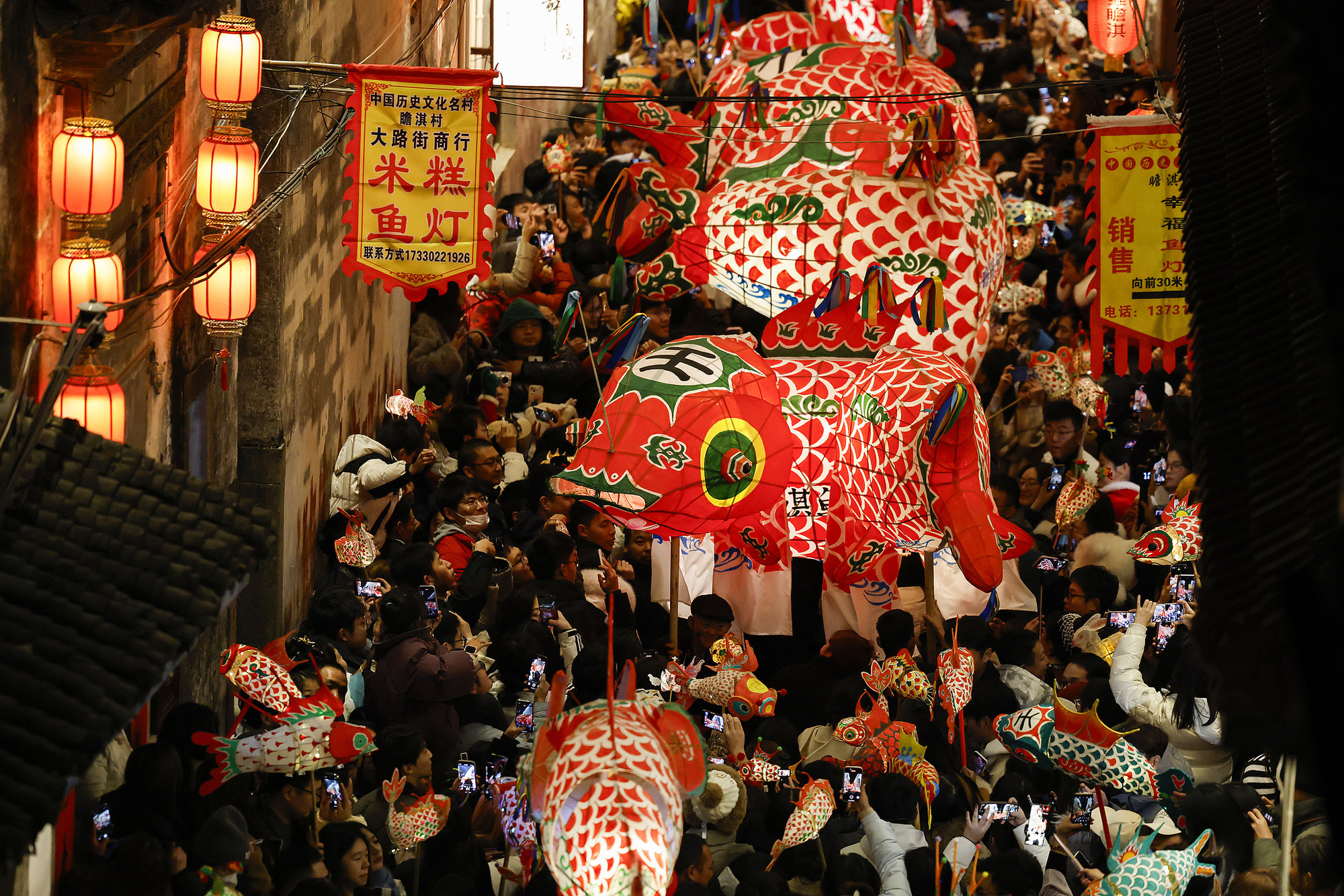
Chinese New Year, widely known as the Spring Festival, is the most grand and joyous traditional celebration in Chinese culture. It is also warmly observed across global Chinese communities. Rooted in the ancient Chinese lunar calendar, its Gregorian date varies every year. The entire celebration lasts for 15 days until the Lantern Festival, while people usually start thorough preparations nearly one month ahead of New Year’s Eve.
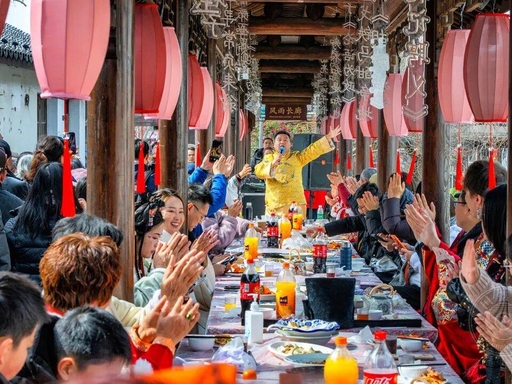
As the most cherished festival of the year, it inspires a massive annual homecoming rush. Countless Chinese people travel far and wide to reunite with their families, forming the world-famous Spring Festival travel rush. During this festive period, families gather for lavish reunion feasts featuring a great variety of traditional delicacies. People carry out a full set of rituals to bid farewell to misfortunes of the past year and pray for good fortune and blessings in the new year. Vibrant traditions including dragon and lion dances, spectacular fireworks and gala performances can be seen everywhere. It is an ideal occasion for international travelers to experience authentic Chinese culture in person. Below we introduce the origin, customs, food, greetings, taboos and other practical information about the Spring Festival.
Origin of Chinese New Year — Tale of Nian
The Spring Festival dates back to ancient sacrificial rituals from the Shang and Zhou Dynasties, evolving from ceremonies to celebrate bumper harvests and worship deities and ancestors. A well-known folk legend tells the story of Nian, a fierce mythical monster that haunted villages at the turn of the year. Terrified by the color red, loud noises and bright lights, Nian would flee when people hung red decorations, lit firecrackers and stayed up all night. These ways to drive away the monster gradually developed into age-old Spring Festival traditions that have been passed down to this day.
Preparations & Daily Customs Before New Year
Festive preparations kick off early on the lunar calendar and follow fixed daily traditions:
- House Cleaning: People thoroughly clean their houses to sweep away bad luck and welcome good fortune, a custom meaning "out with the old, in with the new"The State Council of the People's Republic of China.
- New Year Shopping: Families stock up on festival food, snacks, new clothes and festive decorations.
- Home Decoration: Paste red Spring Festival couplets, paper cuttings, New Year paintings and the Chinese character Fu (blessing) on doors and walls. Many people hang the Fu character upside down, as the phrase sounds like "blessings arrive". Red lanterns are also hung to create a warm festive atmosphere.
- New Year’s Eve (Chuxi): This is the climax of preparations. The whole family enjoys a grand reunion dinner. After the meal, everyone stays up late together, a tradition called Shousui (staying up on New Year’s Eve), which expresses best wishes for longevity for eldersThe State Council Information Office of the People's Republic of China.
Top Lucky Foods for Chinese New Year
Every traditional dish during the Spring Festival carries auspicious symbolic meanings:
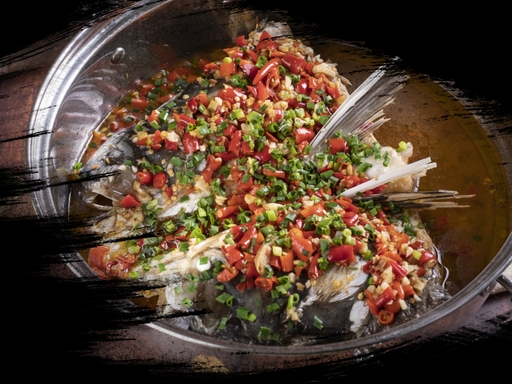
- Whole Fish: The pronunciation of fish sounds like "surplus". Serving a whole fish symbolizes wealth and abundance year after year. It is a custom not to flip the fish while eating.
- Dumplings (Jiaozi): Popular in northern China. Their shape resembles ancient gold ingots, standing for wealth and fortune. Making and eating dumplings also marks the transition between the old year and the new year.
- Rice Cake (Niangao): Favored in southern regions. It implies "rising higher year by year", wishing people progress in work and life.
- Glutinous Rice Balls (Tangyuan): Round and sweet, they represent family reunion and harmony, mainly enjoyed on the Lantern Festival.
- Long Noodles: Known as longevity noodles, they symbolize health and a long life. People avoid cutting the noodles while eating.
Red Envelopes (Hongbao)
Giving red envelopes is a beloved Spring Festival tradition. Elders and married adults prepare red paper envelopes filled with cash and give them to children and young unmarried family members. The red color stands for luck, and the money inside carries sincere blessings and protection against evil spirits. When receiving red envelopes, it is polite to take them with both hands and express gratitude to the givers. Nowadays, digital red envelopes via mobile payment apps are also widely popular.
Popular Chinese New Year Greetings
Here are the most common and classic greetings you can use during your trip:
- Xin Nian Kuai Le — Happy New Year
- Gong Xi Fa Cai — Wishing you prosperity and wealth
- Shen Ti Jian Kang — Wishing you good health
- Wan Shi Ru Yi — Wishing you all the best
Chinese New Year Taboos
Chinese people pay great attention to auspicious words and behaviors during the festival to avoid bringing misfortune:
- Do not sweep the floor or take out garbage on New Year’s Day, as it is believed to sweep away good luck and wealth.
- Avoid arguing, crying or speaking inauspicious words related to loss, sickness or death.
- Try not to break tableware. If accidents happen, people will say "Sui Sui Ping An", which means peace year after year, to turn misfortune into good luck.
- Postpone haircuts until after the Spring Festival, since "cutting hair" is regarded as cutting away good fortune.
- Do not serve porridge or white tofu on formal festival meals, for they are associated with poverty and funeral customs.
Northern & Southern Celebration Differences
While sharing the same core traditions, northern and southern China have slight differences in celebration styles:
- Food: Northern families prefer dumplings for the reunion dinner; southern families favor rice cakes, spring rolls and seafood.
- Activities: Temple fairs are extremely popular in northern cities, with folk performances and snack stalls. Southern regions hold more dragon boat and flower market activities.
- Decorations: Both sides use red couplets and lanterns, while southern areas feature more floral decorations such as peach blossoms and kumquat trees, symbols of luck and prosperity.
Lucky Colors & Lucky Numbers
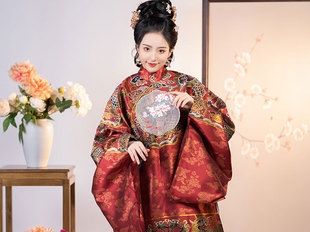
- Lucky Color: Red is the dominant color of the Spring Festival. It represents joy, luck and vitality. Locals wear red clothes, shoes and accessories for the festival.
- Lucky Numbers: 6 (smooth progress) and 8 (wealth and fortune) are the most favored numbers. The number 4 is avoided because its pronunciation is similar to the word for death.
Top Cities for Authentic Spring Festival Experience
If you want to immerse yourself in traditional festive vibes, these cities are highly recommended:
- Beijing: Grand temple fairs, traditional performances and classic northern customs.
- Xi’an: Ancient city walls decorated with red lanterns, showcasing time-honored traditions.
- Chengdu: Relaxed festival atmosphere, delicious Sichuan food and folk shows.
- Guangzhou: Lively flower fairs, unique southern New Year customs.
- Hong Kong: Magnificent New Year fireworks over Victoria Harbour and bustling street celebrations.
About Chinese Culture
China’s festivals reflect its rich history and family-centric culture, from the vibrant Spring Festival to the serene Mid-Autumn Festival. Discover the traditions, customs, and travel tips for celebrating these key holidays.