Chinese Tea Culture
By Admin
Jun 10, 2026
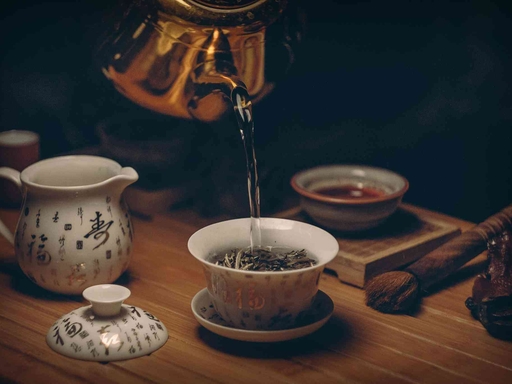
Tea drinking is an indispensable part of profound Chinese civilization. As the birthplace of tea, China boasts a long history of tea planting, tea making and tea tasting. The age-old tea customs spread to Europe and other regions across the world via the ancient Silk Road and diverse trade routes throughout cultural exchanges. The development and popularization of tea have become one of China’s greatest contributions to human civilization, writing a splendid chapter in the global history of tea cultureThe State Council Information Office of the People's Republic of China.
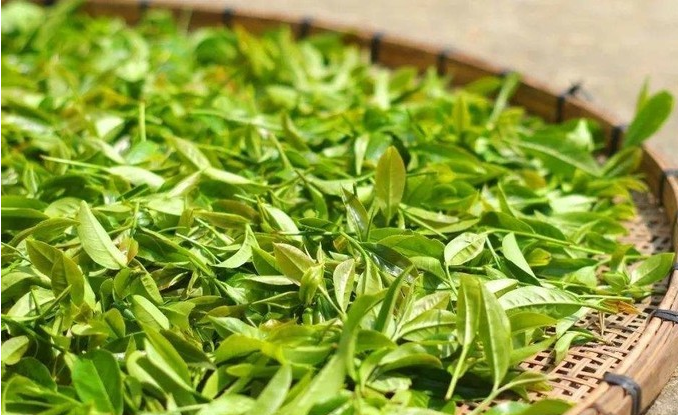
Dating back more than 5,000 years, green tea is the oldest category among all Chinese teas. In ancient times, people simply boiled fresh tea leaves or dried them under the sun for later use. Though processing techniques have evolved dramatically over centuries, green tea remains unfermented and only slightly oxidized. This unique feature helps it retain the original fresh aroma and natural taste of tea leaves to the fullest.
There is a widely recognized list of China’s Ten Most Famous Teas, though minor variations exist in different versions. The classic selection includes Long Jing (Dragon Well Tea), Bi Luo Chun (Green Snail Spring Tea), Tieguanyin (Iron Goddess of Mercy Tea), Huangshan Mao Feng (Yellow Mountain Fur Peak Tea), Junshan Yinzhen (Jun Mountain Silver Needle Tea), Qimen Hong Cha (Keemun Black Tea), Da Hong Pao (Big Red Robe Tea), Liu An Gua Pian (Liu An Melon Seed Tea), Xin Yang Mao Jian (Xin Yang Hairy Tip Tea) and Tai Ping Hou Kui (Monkey King Tea).
Chinese tea art and tea ceremony are not merely ways of drinking tea, but an elegant lifestyle carrying the wisdom of Eastern philosophy. Integrating the core ideas of Confucianism, Taoism and Buddhism, the tea ceremony embodies the pursuit of harmony, tranquility and self-cultivation. The whole ritual, including tea preparation, tea appreciation, tea smelling and tea tasting, helps strengthen friendship, cultivate personal virtue and inherit traditional etiquette. It calms the mind and refreshes thoughts. Rooted in China, the traditional tea ceremony was introduced to Japan and the Korean Peninsula during the Southern Song Dynasty. It gradually faded in popularity in central China during the Yuan Dynasty, while it has been well preserved and widely practiced in Japan to this day.
The Ancient Tea Horse Road is a famous folk international trade route originated from the tea-horse barter trade in southwest China. It first took shape in the Tang and Song Dynasties and flourished in the Ming and Qing Dynasties. The route consists of two main lines: the Sichuan-Tibet line and the Yunnan-Tibet line. It stretches far to Bhutan, Sikkim, Nepal and India, and finally reaches the Red Sea coast of West Asia and West Africa. In 2013, the Ancient Tea Horse Road was officially listed as a major national cultural heritage site of ChinaThe State Council Information Office of the People's Republic of China.
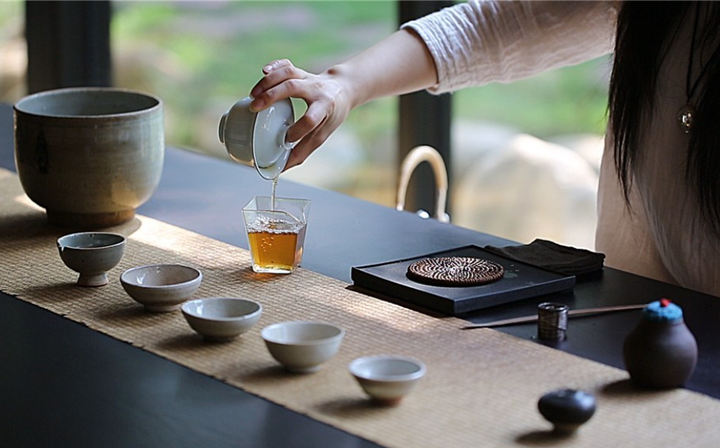
When you visit local reputable tea houses, professional staff will demonstrate standard tea brewing and tasting skills for you. You can fully savor the rich flavor of authentic Chinese tea, and experience the unique pleasure and health benefits embedded in time-honored Chinese tea culture.
Customs in Tea Drinking
Tea has long served as a vital social medium in China. Offering tea to guests is a basic traditional etiquette, which expresses respect, hospitality and good wishes. Whether in family gatherings, friend reunions or business meetings, people communicate and interact over a cup of tea. Various tea-related customs have been formed in different regions, such as elaborate Kung Fu Tea rituals in southern China and casual tea-drinking habits in northern areas. Modern tea culture also combines new elements, yet the essence of sincerity and peace never changes.
Types of Chinese Tea
Chinese teas are mainly divided into six major categories based on processing methods and oxidation degrees.
1.Green Tea: Unoxidized tea with fresh and brisk taste, featuring green liquor and leaves. It is the most popular tea type in China.
2.White Tea: Slightly oxidized with minimal processing. It has a mild, sweet and elegant flavor.

3.Yellow Tea: Lightly fermented tea with smooth taste and bright yellow tea liquor.

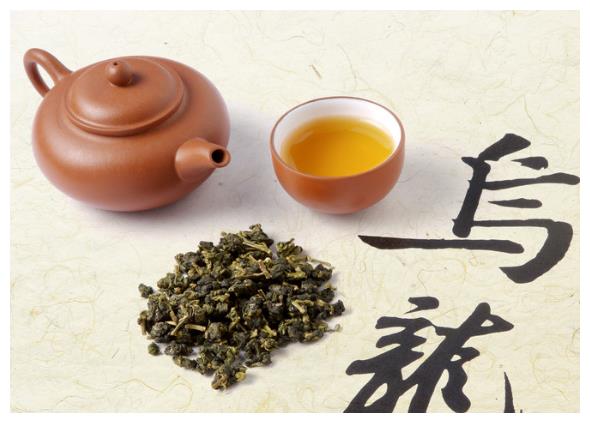
4.Oolong Tea: Semi-fermented tea famous for strong fragrance and lasting sweet aftertaste.
5.Black Tea: Fully fermented tea with red liquor and mellow, warm taste.

6.Dark Tea: Post-fermented tea. Its flavor becomes richer and smoother as it ages, and Pu-erh tea is the most representative variety.

Chinese Tea Sets
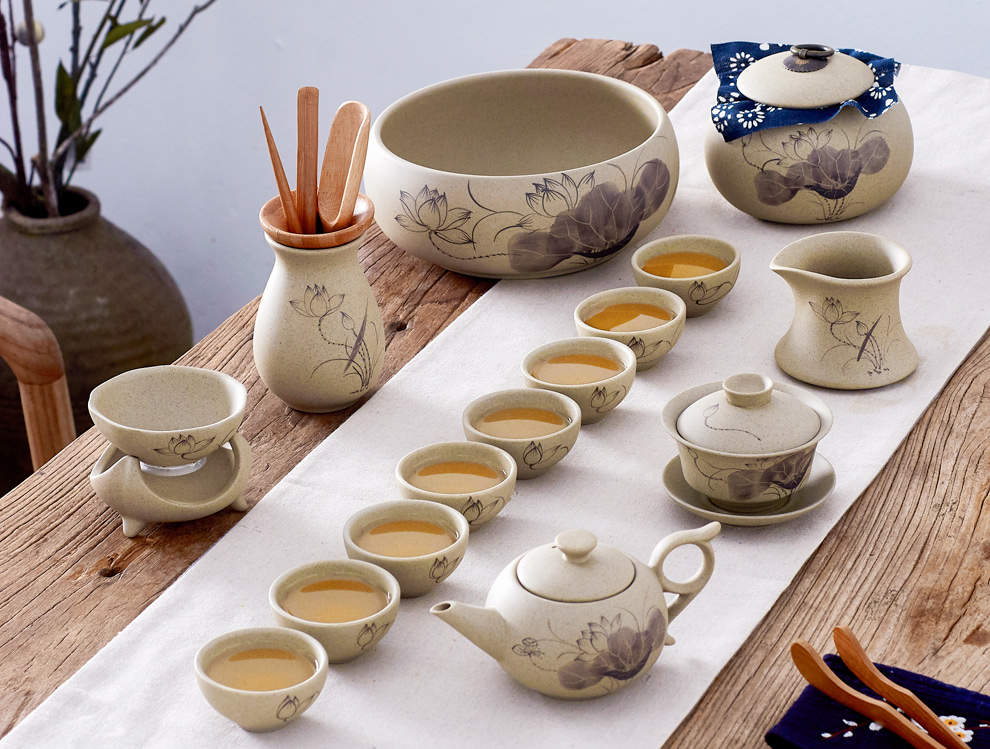
Exquisite tea sets are an essential part of Chinese tea culture. Different teas match different tea wares. Yixing clay teapots are ideal for oolong tea and dark tea, as they can retain heat and enrich the tea flavor. Gaiwan (lidded bowl) is widely used across the country, suitable for almost all tea types. Porcelain cups are perfect for green tea and white tea, allowing people to admire the color of tea liquor. Besides main brewing tools, tea trays, tea scoops and tea brushes are also common accessories in a complete tea set.
Chinese Tea Ceremony
The Chinese tea ceremony stresses the unity of people and nature. Every step from selecting water, warming utensils, adding tea leaves to brewing and serving tea follows rigorous rules. It focuses on mindfulness, concentration and etiquette. Different schools of tea ceremonies have distinct characteristics, but they all share the same core: pursuing inner peace and enjoying the simple beauty of life. It is not only a set of rituals, but also a reflection of Chinese people’s attitude towards life.
Ten Most Famous Chinese Teas
This classic collection covers top-quality teas from across the nation, representing the highest level of Chinese tea craftsmanship. Each variety has unique growing environments, appearances, aromas and tastes. Longjing from Hangzhou is celebrated for its tender fragrance; Keemun Black Tea enjoys worldwide reputation for its elegant aroma; Da Hong Pao from Wuyi Mountain is known as the "King of Tea" with rich and layered flavors. Tasting these famous teas is a wonderful way to experience the charm of Chinese tea culture.
About Chinese Culture
China’s festivals reflect its rich history and family-centric culture, from the vibrant Spring Festival to the serene Mid-Autumn Festival. Discover the traditions, customs, and travel tips for celebrating these key holidays.