Traditional Chinese Etiquette
By Admin
Jun 15, 2026
Traditional Chinese Etiquette
China is widely known as the Land of Rites and Etiquette. For thousands of years, a wealth of time-honored manners and polite maxims have been passed down from one generation to another, such as "Civility costs nothing" and "Courtesy demands reciprocity". Traditional Chinese etiquette is an essential part of local culture, reflecting people’s daily behaviors, social norms and core values. If you travel, study or stay in China for a long time, learning basic etiquette will help you get along well with local people, avoid misunderstandings caused by inappropriate behaviors and cultural taboos, and experience authentic Chinese culture in a more respectful way.
Etiquette in China covers various social scenarios, ranging from daily greetings, dining and tea serving to gift-giving, rituals and wedding customs. Below are the most representative and practical traditional etiquettes for your reference.
A Symbol of Chinese Culture — Face
"Face" is a unique social concept deeply rooted in Chinese culture and closely connected with etiquette. It refers to personal dignity, reputation and social respect. In all social interactions, Chinese people attach great importance to protecting others’ face as well as maintaining their own.
Public criticism, blunt embarrassment or excessive arguments will make others lose face, which is regarded as extremely impolite. On the contrary, sincere praise, modest words and proper humility can bring people face and build friendly relationships. Understanding this concept will help you communicate more harmoniously with locals in daily conversations, business talks and group activities.
Chinese Etiquette: Fist and Palm Salute
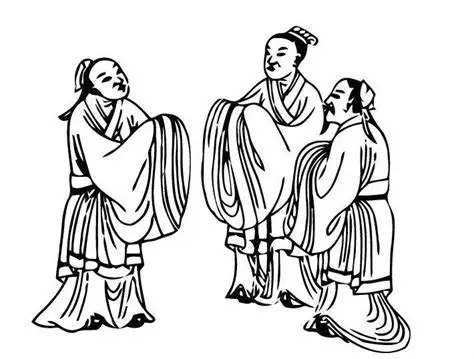
The fist and palm salute is a classic traditional greeting gesture in China, with a history of thousands of years. Different from handshakes popular nowadays, it was widely used in ancient daily greetings, festivals, martial arts exchanges and formal rituals.
There are clear rules for this salute: For men, the left hand covers the right fist; for women, two palms are folded together naturally. This gesture stands for sincerity, respect and good wishes. It is commonly seen during traditional festivals, Kung Fu performances, cultural ceremonies and folk activities. When locals greet you with this gesture, you can respond in the same way to show politeness.
Chinese Table Manners
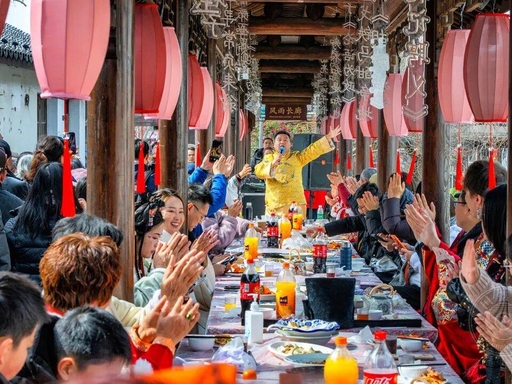
Dining is more than enjoying food in China; it is also an important occasion for socializing and showing etiquette. A set of complete table manners has been formed over time.
- Seating Arrangement: Seats follow strict hierarchy. The most honorable seat is usually reserved for elders, distinguished guests or the host. It is polite to wait for others to arrange your seat instead of sitting randomly.
- Chopstick Taboos: Never stick chopsticks upright in a bowl of rice, for this action resembles the incense offering for the deceased. Do not tap bowls with chopsticks, point at others with chopsticks or wave chopsticks casually. Use public serving chopsticks to pick food from shared plates.
- Dining Order: Wait for the eldest or the guest of honor to start eating before you pick up your chopsticks. Chew food quietly and avoid talking with your mouth full.
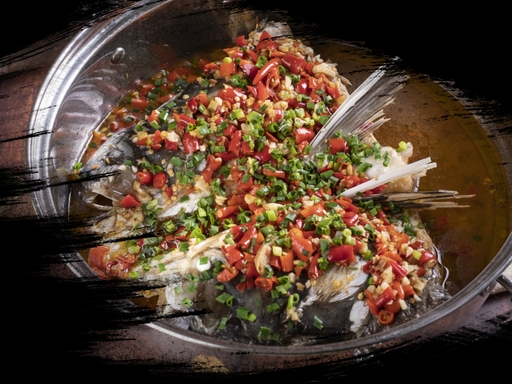
- Food Sharing: It is a tradition for hosts to take care of guests and offer delicious food. You can politely accept the food as a sign of gratitude.
Custom of Chinese Wine Drinking
Wine culture and toasting etiquette are indispensable at banquets, family gatherings and festive dinners.
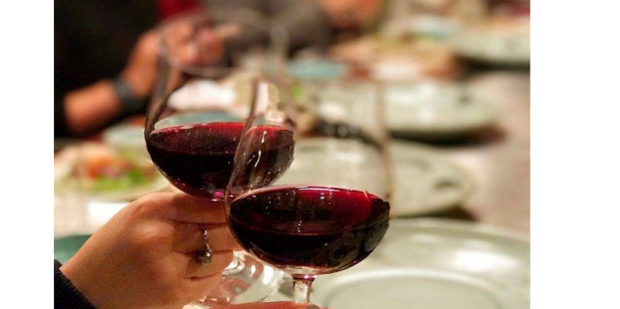
- Before drinking, people usually propose toasts to elders, guests or everyone present to express welcome and best wishes. Drinking alone without toasting is considered rude on formal occasions.
- Ganbei (Bottoms up) is a common toast phrase. In the past, people would finish the whole glass to show sincerity. Nowadays, it is acceptable to take a moderate sip according to your own capacity.
- When clinking glasses with elders or superiors, it is polite to hold your glass slightly lower than theirs as a sign of respect. If you do not drink alcohol, you can politely replace wine with tea or soft drinks.
Tea Serving Etiquette in China
Tea serving is a refined traditional etiquette and a basic way to treat guests in China. Offering a cup of tea to visitors is a symbol of hospitality.
- When pouring tea, follow the order of elders first, then guests, and yourself last. Do not fill the teacup to the brim; a seven-full cup is the traditional standard, which implies "leaving room for good fortune".
- If someone pours tea for you, you can gently tap the table with your fingers to express thanks. This interesting custom has been widely spread across the country.
- In formal tea ceremonies or teahouses, every step of making, smelling and tasting tea follows delicate etiquette, reflecting the pursuit of peace and courtesy.
Chinese Etiquette: Gift-Giving
Giving gifts is a way to convey friendship, gratitude and blessings during festivals, visits and celebrations. There are clear rules and taboos to follow.
- Basic Manners: Present and receive gifts with both hands to show respect. When receiving gifts, it is polite to politely decline once or twice before accepting. In most cases, people will not open gifts immediately in front of the giver out of modesty.
- Taboos for Gifts: Never give clocks to others, because the pronunciation of "clock" sounds similar to "end" in Chinese, which is an inauspicious symbol. White and black are mainly used for funerals, so avoid wrapping gifts with these two colors. Items related to the number four are also unpopular, as its pronunciation carries bad implications.
- Recommended Gifts: High-quality tea, fine wine, local specialties, silk products and traditional handicrafts are all thoughtful and appropriate choices.
Traditional Chinese Wedding Etiquette
Chinese traditional weddings are grand and ritual-filled, combining various ancient etiquettes and auspicious customs.
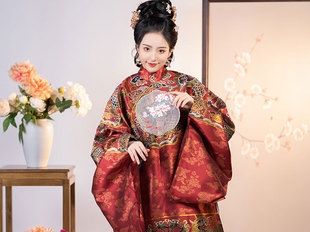
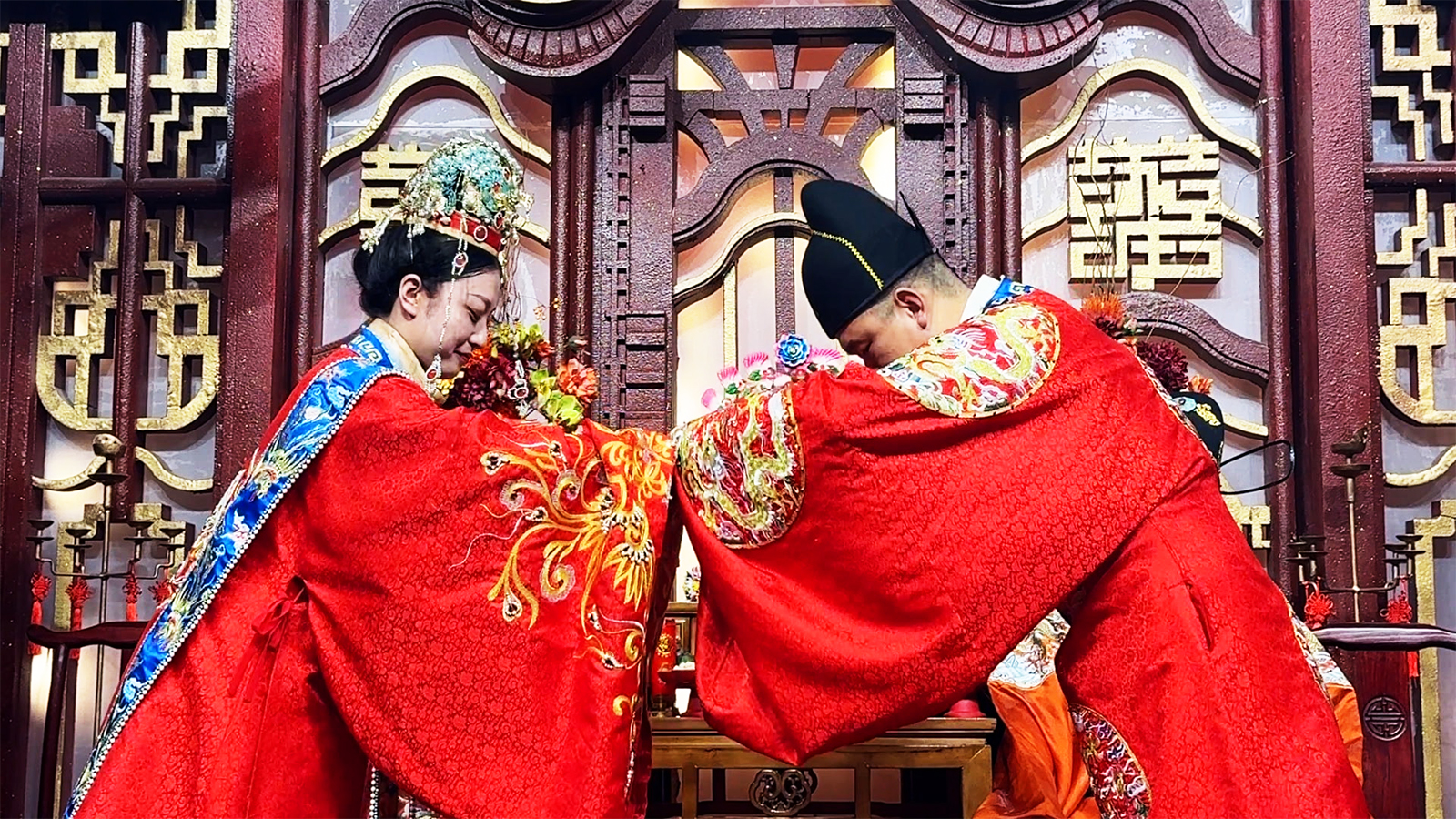
- The whole wedding process includes proposal, betrothal, wedding day ceremonies and post-wedding rituals, each with fixed manners. Red is the dominant color, representing joy and good luck.
- On the wedding day, the couple will pay formal respects to their parents to express gratitude for upbringing. Guests will send sincere blessings and red envelopes to the newlyweds.
- Many traditional wedding rituals such as bowing to heaven and earth exist in folk customs, which are important parts of Chinese wedding culture. Watching or participating in local wedding activities is a wonderful way to experience traditional etiquette.
About Chinese Culture
China’s festivals reflect its rich history and family-centric culture, from the vibrant Spring Festival to the serene Mid-Autumn Festival. Discover the traditions, customs, and travel tips for celebrating these key holidays.