Traditional Chinese Furniture
By Admin
Jun 15, 2026
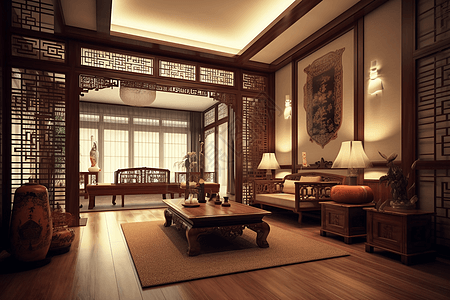
Traditional Chinese antique furniture occupies a distinguished position in the global antique furniture market. Renowned for its ingenious mortise-and-tenon structures, exquisite lacquer art, diverse decorative patterns and practical multi-functional designs, it boasts high artistic, collection and appreciation value. Dating back to 1000 BC, traditional Chinese furniture evolved along three core craft systems: frame-and-panel construction, post-and-rack techniques inspired by ancient architecture, and bamboo craftsmanship. Featuring chairs, stools, tables, cabinets, beds and couches, these furnishings developed independently from Western styles yet formed a complete household furniture system with unique oriental charm.
The evolution of Chinese furniture runs through every historical dynasty, witnessing changes in lifestyles, craftsmanship, aesthetics and social etiquette. Each era created distinct styles, and the well-preserved furniture of the Ming and Qing dynasties today stands as a precious cultural heritage, embodying superb craftsmanship, profound artistic taste and rich historical connotations.
Historical Evolution of Traditional Chinese Furniture
Xia, Shang and Zhou Dynasties (2070 BC – 256 BC)
This was the infancy of Chinese traditional furniture. Historical records prove that simple furniture such as couches, seats and cabinets had already emerged before the Shang Dynasty. During this period, lacquer painting was widely used for decoration, and craftsmen also embedded ivory, pine and other rare materials on furniture to enhance its beauty and durability. Most furniture at this time was short and low, matching the popular custom of sitting directly on the ground.
Spring and Autumn & Warring States Periods (770 BC – 221 BC)
This era saw the rise of low-profile furniture. Metallurgical and iron-making technologies made remarkable progress, giving birth to practical woodworking tools including iron saws, axes, drills and chisels. Luban, honored as the Father of Craftsmen in China, lived during this time. Legend has it that he invented the saw, which greatly boosted wood processing techniques and laid a solid foundation for the rapid development of furniture craftsmanship.
Qin and Han Dynasties (221 BC – 220 AD)
Furniture with taller legs began to take shape. Previously, beds, clothes racks and desks were all low to the ground. Frequent cultural exchanges with western regions introduced new living habits, gradually changing people’s way of sitting. This transition paved the way for the later popularity of high-legged chairs and tables.
Wei, Jin, Northern and Southern Dynasties (220 AD – 386 AD)
High-style furniture became mainstream. The traditional low-sitting etiquette faded away, and modern-style sitting postures were widely adopted, driving the invention and popularity of chairs. Meanwhile, Buddhism spread across China, and lotus patterns became classic decorative motifs on furniture, reflecting the integration of religion and daily crafts.
Sui, Tang and Five Dynasties (581 AD – 979 AD)
Low and high furniture coexisted, and the Tang Dynasty marked a preliminary prosperity. Tang-style furniture featured robust, full and stable shapes with grand momentum. Aristocratic furniture was elaborately carved and painted with floral patterns. Common furniture types included piers, lotus seats, box-style beds, screen racks and independent couches. From the late Tang Dynasty to the Five Dynasties, the upper class pursued luxurious lifestyles, and many ancient paintings recorded real scenes of furniture use at that time, providing valuable references for modern research.
Song Dynasty (960 AD – 1279 AD)
Furniture designs became more sophisticated and refined. Artisans drew lessons from the beam and frame structures of ancient architecture, preferring concise lines over excessive carving. Song-style furniture stressed harmony between structure and aesthetics, evolving from daily necessities into elegant works of art favored by scholars. Its simple and subtle aesthetic laid an important foundation for the peak development of furniture in later dynasties.
Ming Dynasty (1368 – 1644)
The Ming Dynasty is universally recognized as the golden age of traditional Chinese furniture. Ming-style furniture is celebrated for smooth lines, reasonable structures, lightweight shapes and minimal decoration. Craftsmen focused on displaying the natural texture of high-quality hardwood such as huanghuali and red sandalwood, with only a small number of delicate carvings or metal ornaments as embellishments. Every piece perfectly balances practicality, ergonomics and literati aesthetics, representing the highest artistic attainment of classical Chinese furniture.
Qing Dynasty (1636 – 1912)
Furniture craftsmanship reached an unprecedented height. Inheriting the styles of the Ming Dynasty, Qing furniture adopted richer materials, including various hardwoods and fine softwoods. The Qianlong Period was the pinnacle of Qing furniture production. Compared with Ming styles, Qing furniture featured grander shapes, denser carvings, diversified decorative techniques and gorgeous colors. Patterns such as dragons, phoenixes, flowers and auspicious motifs were widely used, catering to the extravagant aesthetic tastes of the royal court and nobles.
Main Categories & Featured Styles
Ming Dynasty Furniture
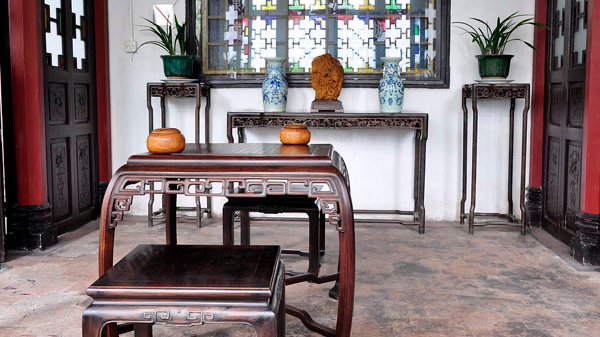
Ming-style furniture is the classic representative of Chinese classical furniture. It features streamlined silhouettes, solid mortise-and-tenon joints and restrained decoration. Mostly made of precious hardwood, it fully showcases the natural grain and texture of wood. Suzhou is the origin of authentic Ming-style craftsmanship, so it is also called Su-style furniture. Common pieces include horseshoe-back armchairs, official’s hat chairs, rectangular tables and layered cabinets. It is widely collected by art lovers worldwide for its elegant literati charm.

Qing Dynasty Furniture
Qing-style furniture is divided into Beijing-style, Suzhou-style and Canton-style schools. It has thicker and sturdier contours and pursues elaborate carvings and colorful decorations. Canton-style furniture is greatly influenced by Western craftsmanship, with unique designs such as slim waists and goat-hoof-shaped legs. Qing furniture highlights magnificence and auspicious meanings, and royal-style pieces are extremely exquisite and luxurious.
Chinese Antique Cabinets
Antique cabinets are essential storage furniture in traditional households, including book cabinets, wardrobe cabinets, display cabinets and chests. Different dynasties adopted distinct door designs, frame structures and decorative patterns. Many cabinets are equipped with exquisite copper locks and fittings, combining practical storage functions with high ornamental value.
Chinese Rosewood Furniture
Rosewood is a premium material for classical furniture. Furniture made of rosewood has a hard texture, delicate grain and natural fragrance. With long service life and elegant luster, rosewood works were favored by nobles in ancient times. Today, rosewood furniture remains a high-end choice for collection and home decoration.

Old Shanghai Style Furniture
Blending traditional Chinese craftsmanship and Western design concepts, Old Shanghai style furniture prevailed in the early 20th century. It retains classic Chinese mortise-and-tenon structures while absorbing Western curved lines and decorative elements. With a unique retro and exotic vibe, it is a distinctive branch of modern traditional furniture.

About Chinese Culture
China’s festivals reflect its rich history and family-centric culture, from the vibrant Spring Festival to the serene Mid-Autumn Festival. Discover the traditions, customs, and travel tips for celebrating these key holidays.