Traditional Chinese Medicine
By Admin
Jun 15, 2026
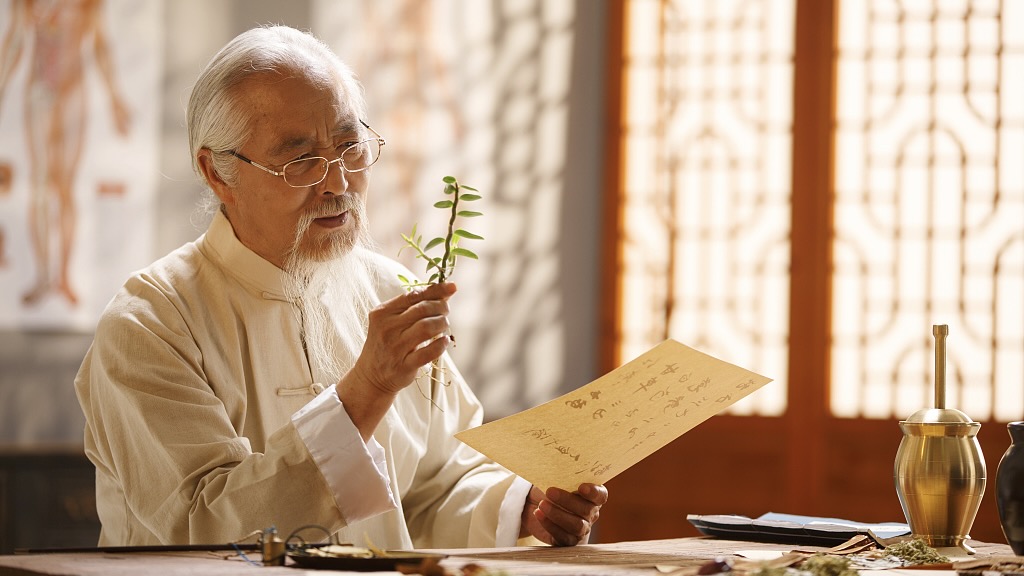
Traditional Chinese Medicine (TCM) is a time-honored holistic medical system with a history dating back to the 3rd century BC, ranking among the world’s most renowned herbal and natural medical therapies. For thousands of years, it has kept evolving alongside changing health conditions and medical demands. Combined with modern diagnostic technologies and scientific research today, TCM continues to thrive and gain global recognition. When prescribed and applied by licensed, well-trained practitioners, Chinese herbal medicines and physical therapies are generally safe. Allergic reactions are extremely rare, and no permanent harm will occur if treatment is stopped promptly once discomfort appears.
The core philosophy distinguishes TCM from Western medicine fundamentally. Rooted in the universal theories of Yin and Yang, TCM views the human body as an interconnected whole linked with nature. Western medicine mainly targets tangible body tissues, cells and chemical substances (Yin). In contrast, TCM focuses on regulating Qi — the vital energy that flows throughout the body and sustains all life activities (Yang). Its ultimate goal is to restore the dynamic balance of Yin and Yang inside the body to achieve natural health and wellness.
Unique TCM Characters
TCM features a complete theoretical framework that differs greatly from modern Western medicine. Apart from the core Yin-Yang theory, the Five Elements (Wood, Fire, Earth, Metal, Water) doctrine is another fundamental principle. It explains the relationships between human organs, emotions, diet and the natural environment, believing that all parts of the body interact and restrict one another.
TCM also emphasizes the concept of Treating the root cause rather than just symptoms. Instead of merely relieving temporary discomfort, practitioners aim to figure out the underlying triggers of illnesses. It advocates prevention over treatment, stressing daily health preservation and living in harmony with seasonal changes. Holistic treatment, individualized prescriptions and integration of medicine, diet and physical conditioning are the most prominent traits of TCM.
Functions and Diagnostic Methods
TCM adopts a unique four-step diagnostic approach known as Four Diagnostic Methods: Observation, Listening & Smelling, Inquiry, and Pulse-Taking. Practitioners observe the patient’s facial complexion, tongue coating and physical state; listen to voice and breathing while noticing unusual odors; ask detailed questions about symptoms, daily routines and medical history; and feel the radial pulse to judge the flow of Qi and blood. Combining all collected information, they make an overall diagnosis.
Corresponding therapies cover multiple functions: relieving pain, regulating internal organs, improving immunity, conditioning sub-health, treating chronic diseases and assisting post-illness recovery. TCM works well for chronic fatigue, joint pain, digestive disorders, insomnia and many persistent ailments that are hard to cure with conventional treatments.
Chinese Medical Classics
A wealth of ancient medical classics records TCM theories, prescriptions and treatment experiences, laying solid foundations for its inheritance and development.
- Huangdi Neijing (The Yellow Emperor’s Inner Classic):Completed in the 3rd century BC, it is the earliest and most authoritative TCM classic, establishing the core theories of Yin-Yang, Five Elements and Qi circulation, and regarded as the origin of TCM.
- Shen Nong Ben Cao Jing (The Divine Farmer’s Classic of Materia Medica):The first systematic monograph on Chinese herbal medicine, documenting hundreds of medicinal herbs and their efficacy.
- Shang Han Lun (Treatise on Cold Damage Diseases):Written by the great physician Zhang Zhongjing, it summarizes effective treatment principles and prescriptions for infectious and febrile diseases.
- Compendium of Materia Medica:Compiled by Li Shizhen in the Ming Dynasty, this monumental work records over 1,800 kinds of medicinal materials and detailed usage notes, a masterpiece of global herbal studies.
Popular and Useful TCM Treatments
These practical therapies are widely experienced by tourists and locals, easy to understand and beneficial to health:
Herbal Medicine
Various natural plants, minerals and a small number of animal materials are formulated into prescriptions according to individual physical conditions. Available forms include traditional herbal decoctions, modern granules, pills and ointments, convenient for daily use.

Acupuncture & Moxibustion
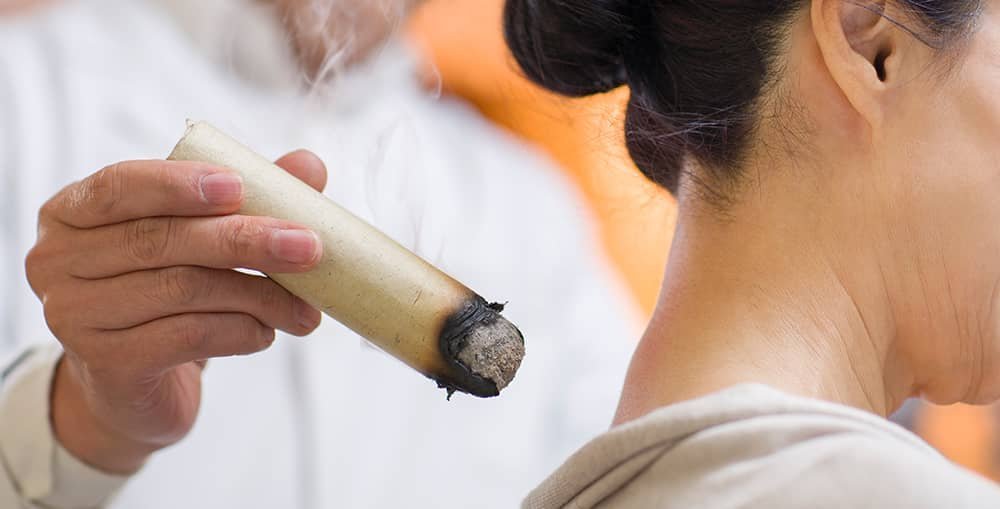
Acupuncture uses fine sterilized needles to stimulate specific body acupoints to unblock energy channels and relieve pain. Moxibustion burns dried mugwort near acupoints for warm conditioning. Both are world-famous TCM physical therapies.
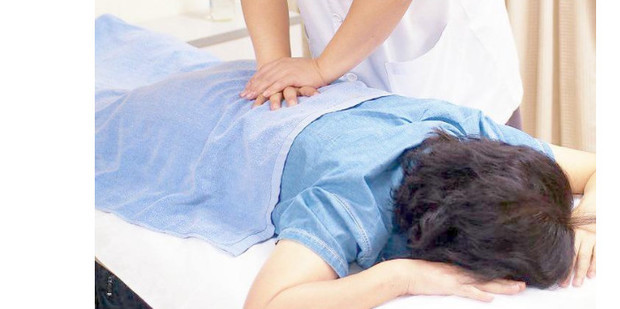
Tui Na (Chinese Massage)
Professional manipulations act on muscles and acupoints to relax tendons, activate blood circulation and ease fatigue and soreness, very popular among travelers after long journeys.
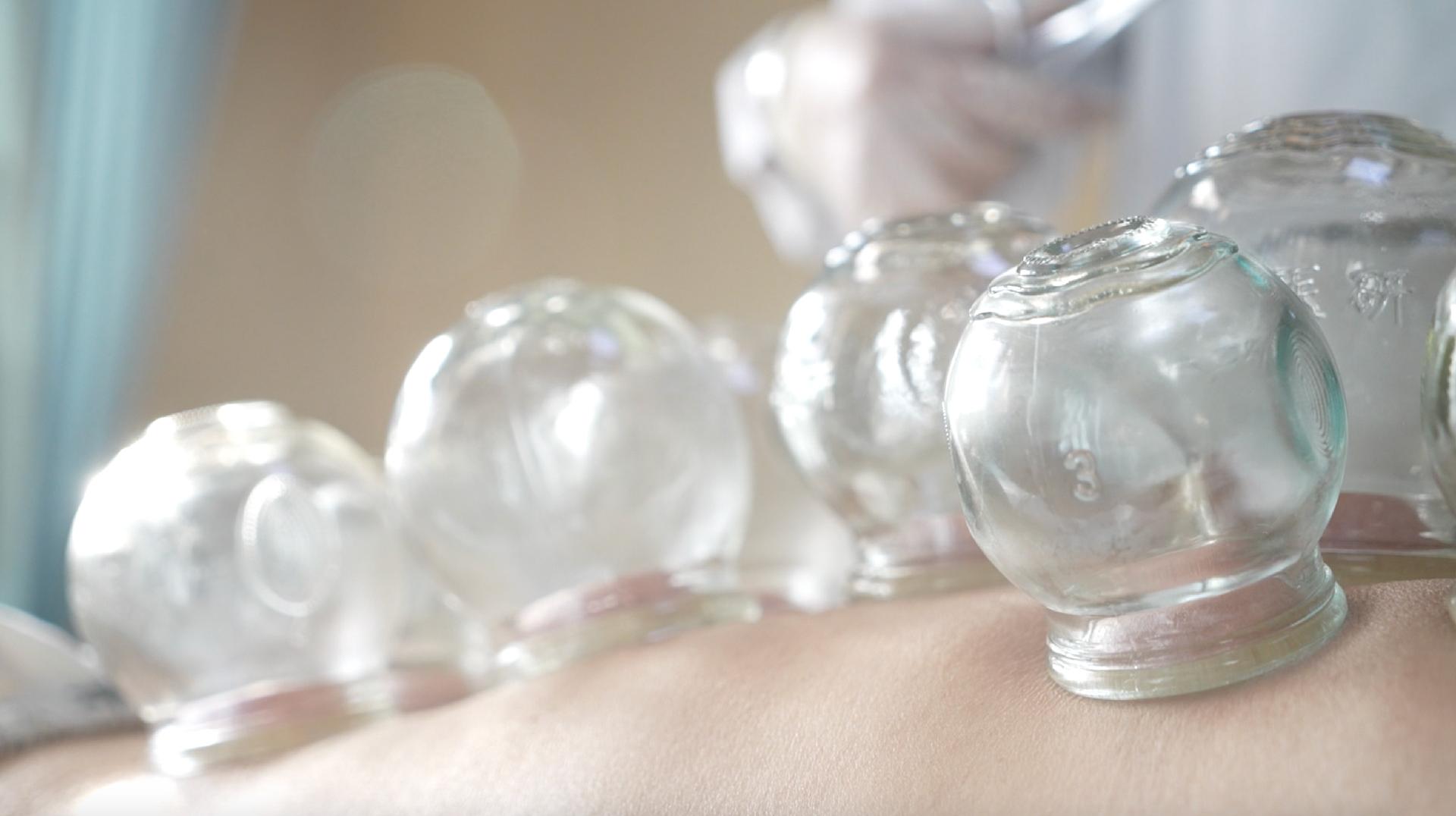
Cupping Therapy
Cups create negative pressure on the skin to dispel cold and dampness, relieve muscle stiffness. It is a distinctive and impressive traditional therapy.
Qigong & Health Preservation Exercises
Slow, gentle body movements combined with breath regulation, helping soothe the mind and strengthen physical fitness.
Well-known Doctors of Traditional Chinese Medicine
Many ancient medical masters have left precious legacies for TCM development:
- Bian Que: A legendary physician in the Spring and Autumn Period, who perfected the four diagnostic methods.
- Zhang Zhongjing: Praised as the "Medical Sage", author of Shang Han Lun.
- Hua Tuo: Skilled at surgery and herbal anesthesia, and the creator of ancient health-preserving exercises.
- Li Shizhen: Distinguished pharmacist of the Ming Dynasty, compiler of the Compendium of Materia Medica.
Modern TCM practitioners also inherit the spirits of ancestors and keep innovating therapeutic techniques.
Top Traditional Chinese Medicine Museums
If you want to explore TCM culture in depth, these professional museums are ideal travel destinations. They display ancient medical appliances, rare herbal specimens, classic medical books and restored treatment scenes, allowing visitors to learn about TCM’s history and craftsmanship intuitively. Many museums also provide on-site experience activities such as simple pulse diagnosis and herbal appreciation.
About Chinese Culture
China’s festivals reflect its rich history and family-centric culture, from the vibrant Spring Festival to the serene Mid-Autumn Festival. Discover the traditions, customs, and travel tips for celebrating these key holidays.