Traditional Chinese Musical Instrument
By Admin
Jun 15, 2026
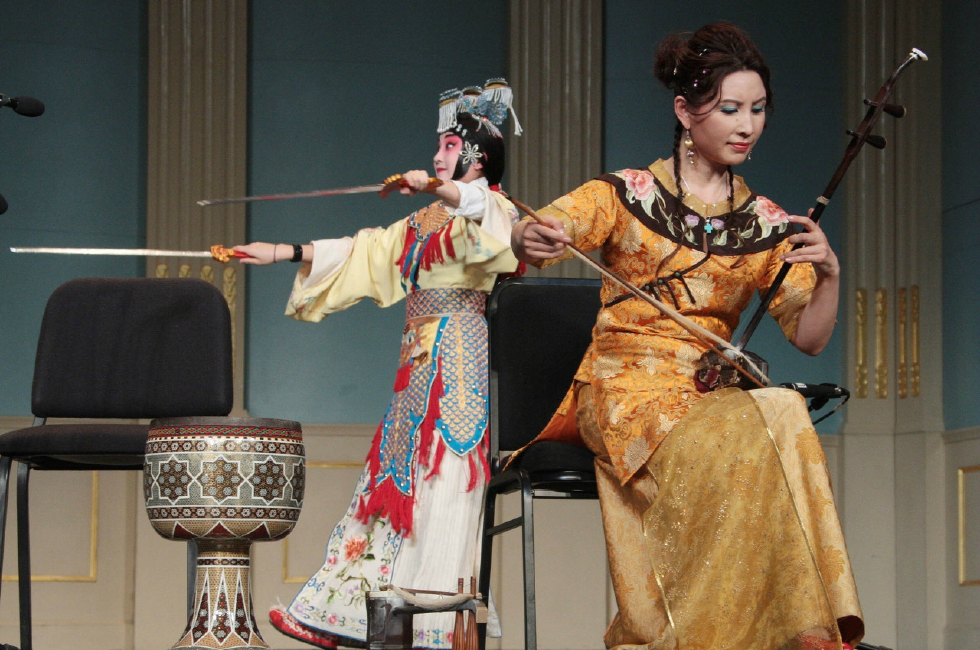
Ancient Chinese people held the belief that fine music can calm the heart and purify one’s mind. As early as over 3,000 years ago, China already developed around 70 kinds of musical instruments. In ancient times, royal families and nobles owned exclusive orchestras, and elegant music served as a symbol of power, social status and refined taste. Later on, music became popular among ordinary people. Grand and complicated instruments such as bronze chimes gradually gave way to portable, lively wind and reed instruments that were easier to play.
The Tang Dynasty stands as a golden era for traditional Chinese music. Many emperors at that time were talented musicians and composers. Thanks to frequent cultural communication with neighboring regions, numerous foreign instruments were introduced, modified and integrated into the local music system.
Chinese traditional musical instruments are generally divided into three major categories: string instruments, wind instruments and percussion instruments. Below is an introduction to the most representative ones.
String Instruments
String instruments produce soft, melodious and expressive sounds, and are the core part of traditional Chinese music performance.
Guqin
With a history of more than 3,000 years, the Guqin is one of China’s oldest plucked string instruments and a world intangible cultural heritage. It was favored by ancient scholars, literati and nobles. Its tone is gentle, quiet and profound. Playing Guqin was regarded as an essential accomplishment for well-educated people, closely connected with traditional philosophy and self-cultivation.

Guzheng
Also known as the Chinese zither, the Guzheng has a graceful shape and a wide range of tones. It features bright, elegant and varied sounds, suitable for playing solo music, ensemble music and accompaniment. It is widely popular across the country and loved by music lovers of all ages.

Pipa
The Pipa is a classic pear-shaped plucked instrument with a unique and rich timbre. It can perform bold and stirring melodies as well as soft and tender tunes. Many famous traditional music pieces are composed for Pipa, and it is a star instrument in Chinese traditional orchestras.

Erhu
Commonly called the Chinese two-string fiddle, the Erhu is a popular bowed string instrument. It has a simple structure and a touching, human-like tone. It is widely used in folk music, opera accompaniment and solo performances, and can vividly convey all kinds of emotions.

Wind Instruments
Wind instruments deliver bright, crisp or lingering sounds, adding vivid charm to traditional music.
Dizi
The Chinese bamboo flute is one of the most common traditional wind instruments. Light and portable, it produces clear, lively and melodious sounds. It is widely played in folk gatherings, operas and various music performances.
Xiao
Similar to Dizi but played vertically, the Xiao has a deep, mild and distant tone. It is often used for quiet and elegant music, creating a peaceful and artistic atmosphere.
Suona
The Suona has a loud, high-pitched and striking sound. It is an indispensable instrument for traditional festivals, wedding ceremonies and folk celebrations. Its lively rhythm always brings a strong festive vibe.
Sheng
The Sheng is an ancient reed wind instrument with multiple pipes. It can play harmony and melody at the same time, known as the world’s earliest polyphonic instrument. Its sound is soft and harmonious, often used for ensemble performance.
Hulusi
Originated from ethnic minority areas, the Hulusi is easy to learn with a soft and sweet tone. It is very popular among beginners and often plays music with ethnic customs.
Xun
Crafted from clay or pottery, the Xun is one of the oldest wind instruments in China. Its sound is low, simple and solemn, carrying a strong sense of ancient history.
Percussion Instruments
Percussion instruments set the rhythm for music and performances, and are essential for festivals, operas and folk activities.
Chinese Chimes
An ancient royal percussion instrument made of a set of bronze bells. It delivers grand, solemn and elegant sounds. In ancient times, chime music was exclusively enjoyed by royalty, and it now becomes a precious cultural relic and classic performance art.
Drum
Drums come in various types, including big drum, waist drum and ethnic group drums. They create powerful rhythms, leading the beat in music, dragon dances, lion dances and various folk shows. Waist drum performances are especially spectacular with strong folk characteristics.
Other Ethnic Musical Instruments
China’s diverse ethnic groups have created many unique musical instruments. The Morin Khuur from Mongolian people, Dombra and Pan Flute are all classic representatives. They carry distinctive regional and ethnic styles, enriching the family of Chinese traditional music.
About Chinese Culture
China’s festivals reflect its rich history and family-centric culture, from the vibrant Spring Festival to the serene Mid-Autumn Festival. Discover the traditions, customs, and travel tips for celebrating these key holidays.